
Earlier cancer detection helping save lives across North East and Yorkshire
People across North East and Yorkshire are benefiting from earlier diagnosis and faster access to tests as NHS teams deliver key ambitions set out in the National Cancer Plan, including expanding lung cancer screening and bringing diagnostic services closer to home through Community Diagnostic Centres.
Latest figures show that since the programme launched, more than 400,000 people across the region have taken part in NHS Lung Cancer Screening, helping to identify more than 3,000 lung cancers earlier, when treatment is more likely to be successful. Meanwhile, Community Diagnostic Centres (CDCs) across the North East and Yorkshire have carried out almost 900,000 diagnostic tests and scans this year, bringing care closer to people’s homes and reducing the need for hospital visits.
The National Cancer Plan sets out a long-term ambition to improve cancer outcomes through earlier diagnosis, faster treatment and greater use of screening, diagnostics and innovation, including commitments to complete the national rollout of lung cancer screening by 2030 and expand access to diagnostic testing closer to home.
Lung cancer remains one of the most common cancers in North East and Yorkshire, and across England around 26,000 people die from the disease every year. Detecting it early is one of the most effective ways to improve outcomes and save lives.
That is why local NHS teams are continuing to expand lung cancer screening services across the region, offering targeted lung health checks to people aged 55 to 74 who smoke or have smoked in the past. The programme supports the National Cancer Plan’s ambition to diagnose more cancers earlier, when treatment is more likely to be successful.
In Wakefield, for example, a freshly launched lung cancer screening service is available to more than 55,000 eligible people, helping to detect more cancers at an earlier stage in an area where around 60% of lung cancers have historically been identified at a later stage.
And in the North East and North Cumbria, the impact of early detection is already clear. More than 1,000 lung cancers have been detected through the programme, with almost three-quarters identified at stages one or two, when treatment is most effective.
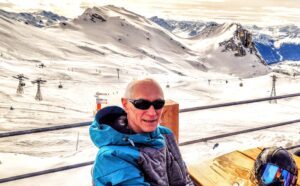
One of those people is 64-year-old Adam Bathgate from Newcastle, whose lung cancer was detected through screening before he experienced any symptoms.
After having a lung health check, former smoker Adam had a scan which showed the early signs of cancer in his right lung. Just a few weeks after having surgery to remove the lower part of his lung, he was back playing squash and continues to live an active life.
Adam, said: “I felt perfectly well when I had my lung health check and scan so I wasn’t worried about it at all. It was a huge shock when I found out I had lung cancer.
“I’m so relieved I had the check and scan and the NHS diagnosed it when they did. By the time you start experiencing symptoms, lung cancer has usually progressed, and the outlook can be pretty grim.
“You think it’s not going to happen to you, but it can, so what harm is there in getting it checked out? It could save your life.”
From MRI and CT scans to blood tests, X-rays and heart checks, nearly 900,000 tests, checks and scans have been carried out through North East and Yorkshire’s network of more than 30 Community Diagnostic Centres in the first seven months of 2026. From Barnsley to Scarborough and Workington, the centres are helping people access care closer to home, reducing the need for hospital visits and freeing up hospital capacity for patients requiring more specialist and acute care.
New and innovative services designed to shape cancer care around people’s lives are being trialled and developed. At Leeds Children’s Hospital, an innovative ambulatory chemotherapy service is enabling more children and young people to receive cancer treatment at home, reducing lengthy hospital stays and helping families maintain a more normal day-to-day life during treatment.
Meanwhile, Humber and North Yorkshire Cancer Alliance is funding research exploring whether capsule camera technology could make bowel investigations more accessible for people in rural and coastal communities while reducing pressure on specialist hospital services.
The National Cancer Plan sets an ambition for three in four people diagnosed with cancer to be cancer-free or living well five years after diagnosis by 2035, with earlier diagnosis recognised as one of the biggest factors in improving survival.
Dr Yasmin Khan, Interim Regional Medical Director for NHS England in the North East and Yorkshire, said: “These figures show the real difference that earlier diagnosis and improved access to testing can make for people across our region.
“Whether it is through lung cancer screening, community diagnostic centres or new approaches to care, we are helping more people get checked, diagnosed and treated as early as possible. When cancer is found earlier, treatment is often more effective and people have a better chance of living well for longer.
“I would encourage anyone who is invited for screening, or who notices any unusual or persistent symptoms, to come forward and seek advice. Early diagnosis saves lives.”
Find out more about cancer care in the North East and Yorkshire here: NHS England — North East and Yorkshire » Improving cancer care across the region.
*886,494 tests, scans and checks in North East and Yorkshire CDCs between 1 January 2026 and 31 July 2026.