
How online consultations and cloud-based telephony are improving care at Ossett Surgery
At Ossett Surgery in West Yorkshire, Business Manager Mark Donaldson and Operations Manager Luke Swinden have led a major transformation in how patients access care. Their adoption of online consultation tools and cloud-based telephony has delivered faster, fairer access for patients while creating a more rewarding experience for staff.
Why change was needed
Mark explains that the practice’s previous system relied on a first-come, first-served approach, which often left patients frustrated and staff under pressure.
“Access was inconsistent, and patients frequently had to call multiple times to secure an appointment. This led to difficult conversations and, at times, abusive interactions. Our goal was clear: create faster, fairer access for patients while giving staff a more empowering role.”
Planning and implementation
The team developed a comprehensive plan in May, mapping out objectives, timelines, and responsibilities. Weekly project meetings involving all departments generated nearly 500 actions over five months, ensuring every aspect of the practice was engaged.
Patient engagement was central. The team worked with the Patient Participation Group, hosted events, and ran surveys to understand what patients wanted. Inclusivity was a priority, with adjustments for those with disabilities such as hearing or visual impairments and additional support for less digitally savvy patients.
Mark explained: “Updates were delivered frequently but gradually, using a “drip‑feed” approach to keep patients informed without overwhelming them.”
To ensure patients were kept informed and reassured from start to finish, the practice also used a wide range of communication channels. This helped reach all of their audiences.
Mark continued: “We included SMS, the practice website, social media, printed and digital leaflets, posters, bespoke bite‑sized animations, and a series of patient engagement events.”
Particular attention was given to accessibility, ensuring communications were suitable for patients with hearing or visual impairments, as well as those experiencing digital exclusion.”
Changing the systems
The new system introduced online consultation tools and cloud-based telephony, supported by robust staff training and patient onboarding. Testing was rigorous, with phased trials and full-scale stress tests before launch. Issues were resolved quickly, and feedback shaped improvements that have since influenced national updates.
Today, all requests are processed through a consistent triage system based on clinical need, eliminating the need for patients to call multiple times. Waiting times have nearly halved, call volumes are down, and appointment-related complaints have dropped significantly. Staff report greater job satisfaction, as they can now provide meaningful support at first contact.
Outcomes for patients
Patients can access GP services between 7.00pm and 6.30pm in the way that suits them best. The redesigned pathways ensure equitable access and clear outcomes for every request. Data shows lower call volumes, shorter waits, and higher satisfaction scores.
Luke sums up the benefits:
“Implementing these tools has eased the 8am rush, reduced telephony pressures, and supported continuity of care by ensuring patients see the right clinician at the right time. It promotes equitable access for all, improves patient outcomes, and makes our team’s workload more manageable, while enhancing staff wellbeing.”
Lessons for other practices
Mark and Luke offer practical advice for teams considering similar changes:
-
Start planning early: The planning phase always takes longer than expected and rushing it can cause delays and problems later on.
-
Prioritise system testing: Thorough physical testing of each stage of the process was essential to our success. It helped us identify gaps and address oversights in a controlled and systematic way.
-
Establish a robust communication plan: Communication with both staff and patients should begin during planning and continue through to project closure.
-
Act on patient feedback: While our plan initially seemed credible, presenting it to patients highlighted areas for improvement. Revisions based on their input created a better system.
-
Engage your practice team: Ongoing communication with staff allowed potential issues to be spotted early and resolved before they escalated.
The experience of the team at Ossett Surgery demonstrates that digital tools, when combined with strong planning and patient engagement, can transform access, improve outcomes, and boost staff morale.
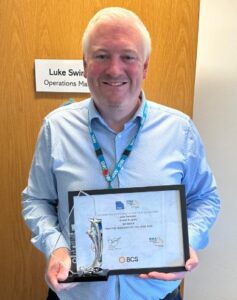
Luke Swindon, Operations Manager at Ossett Surgery