
How dental care makes the difference for people experiencing homelessness
Accessing dental care can be a challenge for anyone – but for people experiencing homelessness, it’s often impossible. Without a permanent address, a working phone, or the stability to attend scheduled appointments, many are left suffering in silence. Ian Wilson, Dental Training Programme Director for NHS England – North East and Yorkshire, is working to change that.
Over the past three years, Ian has led outreach programmes designed specifically for people experiencing homelessness, addiction, and other forms of social exclusion. His work, supported by West Yorkshire Integrated Care Board (ICB), focuses on removing barriers and meeting patients where they are- both physically and emotionally.
Ian’s approach to offering care is deeply empathetic. He understands that traditional appointment systems don’t work for everyone. One patient, for example, sleeps during the day after staying awake all night to protect himself from theft or violence. Recognising this, Ian schedules outreach clinics in the afternoon, ensuring patients can attend safely and comfortably.
“We need to factor in how we’re going to create access for urgent care for populations that, because of their lifestyle, find it incredibly difficult to even turn up to an appointment on time,” Ian explains.
The success of these clinics relies on strong partnerships. Ian works closely with outreach workers, charities, and GP practices to build trust and ensure continuity of care. Third sector workers often chaperone patients to appointments, helping bridge the gap between clinical services and the realities of life on the streets.
“when we’re talking about these marginalised groups, the simple procedure of removing teeth in and placing dentures, not only gives a smile back, but it gives somebody their life back,” Ian Wilson, Dentist and Dental Training Programme Director, NHS England – North East and Yorkshire
Sessional contracts have been key to this success. Unlike traditional funding models that rely on units of dental activity (UDAs), sessional contracts allow practices to deliver care without financial penalty if a patient is unable to complete treatment. This flexibility has improved workforce retention and made it easier to serve patients with complex needs.
The impact on patients has been profound. One individual, after receiving care through the outreach programme, shared:
“I can smile again. I haven’t been able to smile for years.”
This simple yet powerful statement reflects the emotional and psychological toll of poor oral health – and the life-changing effect of compassionate care in restoring dignity.
Ian adds:
“when we’re talking about these marginalised groups, the simple procedure of removing teeth in and placing dentures, not only gives a smile back, but it gives somebody their life back,”
Ian’s work is part of a broader shift within NHS England toward inclusive, preventative care. From supervised tooth brushing programmes for children to cardiovascular screening in dental settings, the focus is expanding beyond treatment to holistic wellbeing.
But for Ian, the heart of the work remains in building relationships. “Without being able to build relationships and signposting pathways with local stakeholders… we wouldn’t be talking about some of the successes we’ve seen,” he says.
His message is clear: if we want to improve access to care, we must design services around the lives of those who need them most.
For more information about West Yorkshire ICB’s commitment to improving dentistry visit: Improving dentistry in West Yorkshire :: West Yorkshire Health & Care Partnership
For more information about urgent dental care visit: How to find an emergency or urgent NHS dentist appointment – NHS
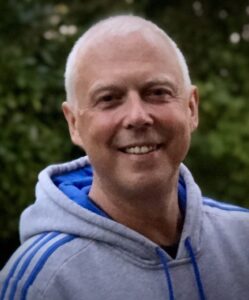
Ian Wilson