Improving neonatal services in the North West

The NHS is looking at how to improve neonatal services across the North West of England.

Neonatal services provide care for newborn babies who are seriously unwell, often because of early (premature) birth, multiple birth (twins or more), a low birth weight, or other complications.

Although neonatal staff are working hard and provide lots of great care, at the moment the majority of neonatal units in the region do not meet national minimum activity standards in terms of the number of babies they care for.

This matters because evidence shows that babies receive better health outcomes and are less likely to develop life-long disabilities when their neonatal care is provided by a very specialised team, who perform the same procedures more frequently.

There is also too much variation in the levels of specialist care being provided by different neonatal units in the region, and the number of cots provided does not match current or expected future levels of demand for care.

The NHS wants to improve the quality and consistency of neonatal services to ensure that they are sustainable for the future, and that all babies and families receive the same high quality of care, wherever they live or are treated in the North West.

Although it’s likely that changes will need to be made as a result of this review, it’s important to stress that this work is still at an early stage. No plans or proposals have been developed yet for how neonatal services could look in the future.


The key aim of this work is to improve the quality and consistency of neonatal care services for babies and families in the North West by:

  • Making the best use of highly skilled, specialist staff who work in neonatal care units.

  • Meeting national neonatal care standards because babies treated in units that achieve these activity standards have better health outcomes and fewer life-long disabilities.
  • Making sure we have the right amount of neonatal care to meet current and future demand.
  • Making the best use of highly skilled, specialist staff who work in neonatal care units.
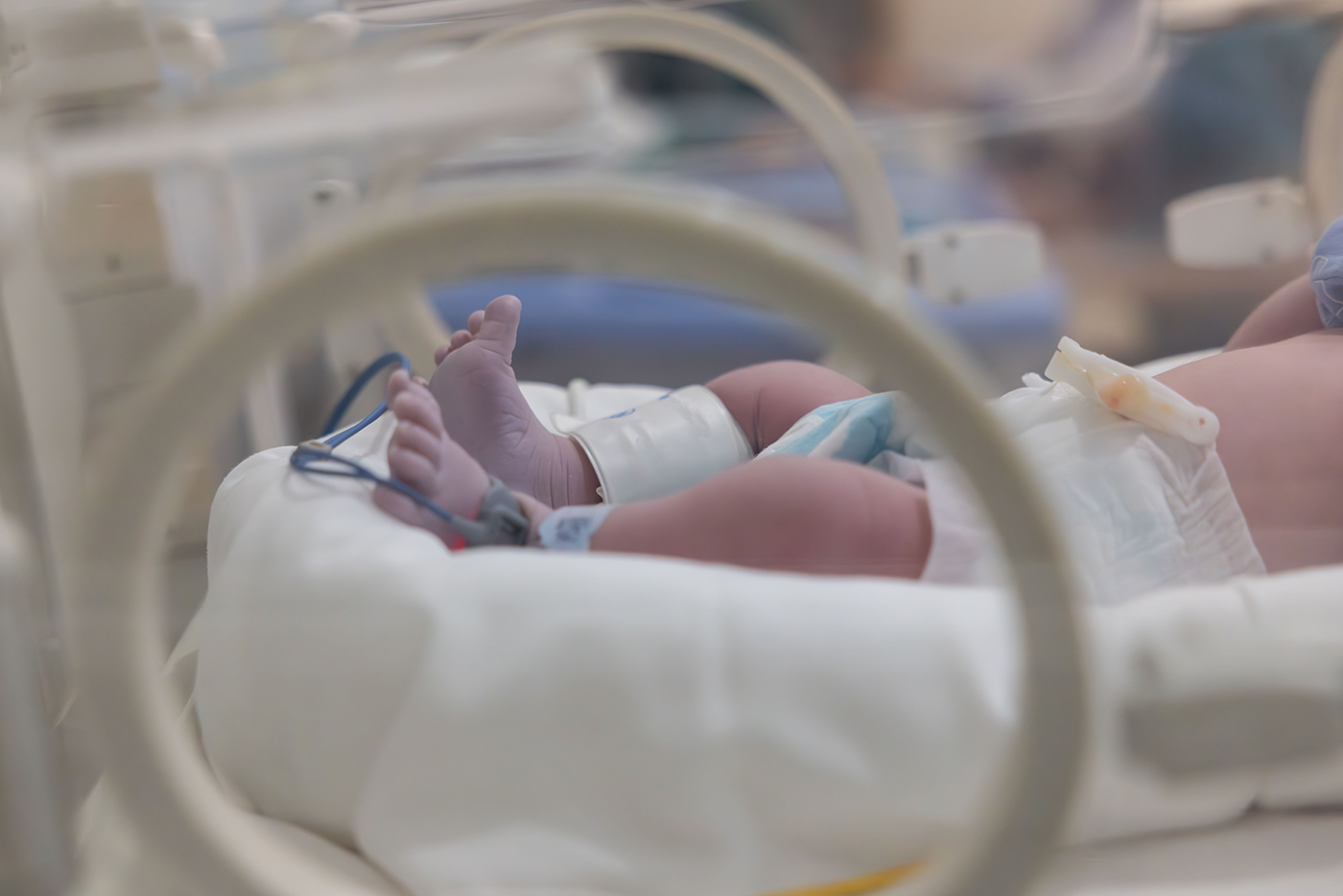
Why do neonatal services need to change?

The main reason why these services need to change is to ensure they meet national care standards set for all NHS neonatal units. In December 2019, NHS England published The Neonatal Critical Care Review (NCCR) which set out a series of new national care standards for improving the safety and effectiveness of neonatal care.

In 2024, they were added to the Neonatal Critical Care Service Specification for all neonatal care in England. These standards include some very specific requirements about the minimum numbers of babies that should be seen in each neonatal unit, and the kinds of conditions that different types of neonatal units should treat.

There is strong evidence that babies have higher survival rates, experience better health outcomes, and are less likely to develop life-long disabilities when they are cared for in neonatal units that meet or exceed them. This is because neonatal care improves when it is provided by a very specialised clinical team who perform the same procedures more frequently, as part of a larger neonatal unit which allows them to develop more expertise in this very specialised field of medicine.

Some neonatal care units across the North West do not currently meet these standards, which means that they are not delivering the best care for babies now, and are not sustainable for the future.

Who is involved?

This work is being led by NHS England North West, working with local integrated care boards (ICBs) including NHS Cheshire and Merseyside, NHS Greater Manchester, and NHS Lancashire and South Cumbria.

It is also being supported by the North West Neonatal Operational Delivery Network (NWNODN), a network that represents hospital neonatal units from across the region, who are working together to improve neonatal care for babies and their families.