
Blog: Eat Well this winter with Lesley Harper
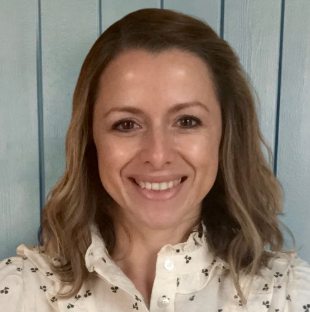 I am Lesley Harper, a registered Dietitian working for the Integrated Care Board (ICB) in Somerset.
Recently I have been working closely with my public health colleagues to roll out a collaborative health promotion project called Focusing on MORE.
Focusing on MORE recognises obesity can be a result of many different factors and there is more to health than body weight alone.
We are encouraging our workforce and residents to focus on more ‘health gain’. For example, when we make healthier choices in our diet and lifestyle these can often result in improved sleep, mood and energy levels which are important markers of better health. We’re taking a compassionate approach to weight management in all the conversations we have, raising awareness that everyone can be ‘healthier’, regardless of their shape and size.
The focusing on MORE approach encourages people to concentrate on what to eat more of, instead of the traditional restrictive approach. It is evidence based, recognising the increasing importance of feeding our gut more of what it thrives on for good health. This includes nudging towards more fibre, more colour (for important plant nutrients) and including more minimally processed foods.
The key to a ‘healthier’ diet is to eat a wide range of foods to make sure you’re getting a balanced diet and your body is receiving all the nutrients it needs.
Starchy carbohydrates are important sources of energy and nutrients, they include potatoes and whole grains like oats, quinoa, bulgur wheat and brown rice as well as foods made with whole grains e.g. whole grain bread, cereal and pasta.
Higher fibre or wholegrain foods are a ‘healthier’ choice. They contain more fibre than white or refined starchy carbohydrates and can help you feel full for longer. The less processed they are the better. For example, keep the skins on your potatoes and try experimenting with less processed whole grains like oats, quinoa and bulgur wheat every so often.
Pulses are also a great low-cost source of energy and protein, for example, peas, beans and lentils. Like whole grains they contain important sources of fibre and nutrients which are important for a healthy gut and good health. Try experimenting with tinned and frozen pulses, they can save you money, make your meals go further and keep you fuller for longer.
Fish is a good source of protein and contains many vitamins and minerals.
Aim to at least 5 portions of a variety of fruit and veg every day. They can be fresh, frozen, canned or dried. Consuming whole fruit is preferable to fruit juice and smoothies.
The type of fat we eat appears to be more important than the total amount of fat. Choosing more fats from less processed plant sources appears to be beneficial to health and for regulation of weight. These include nuts, seeds, olives, avocadoes and their oils. Healthier fats, along with herbs and spices, help to add flavour to meals and can make healthier eating more sustainable.
Meat and dairy, especially those which are less processed, can complement a healthier diet. However, be mindful that high intakes can displace room for plant foods which contain important fibre and nutrients. These are important for a healthier gut and good health.
Be mindful of foods and drinks which contain added sugars, especially energy drinks. These increase your risk of obesity, tooth decay and other chronic diseases like diabetes and heart disease. Natural sugars found in whole fruit and minimally processed dairy foods, like natural yoghurt and unsweetened milk, are not classed as added sugars.
Don’t be deceived by foods which are ultra processed but may offer the temptation of being quick and easy to cook and consume. Ultra processed food often have, added sugars and refined starches, which appear to increase our risk of weight gain and chronic diseases. Check the labels on foods and look for items with less additives for example, those without artificial colours, flavours, preservatives or emulsifiers.
It’s estimated around one in three people in the South West are living with high blood pressure and without regular testing this can go unnoticed, sometimes leading to serious health issues including stroke and heart attack.
There is increasing evidence that eating more plant foods which are less processed, for example, more minimally processed whole grains, pulses, vegetables, whole fruit, nuts and seeds, can help us to better regulate our appetite and weight. They are also associated with healthier ageing. Healthier ageing means living for longer without chronic disease and maintaining good cognitive function, mental health, and physical function.
Eating more minimally processed plant foods can help to naturally reduce intakes of added sugars, refined grains and ultra processed foods. They can also help to reduce your salt intake. As they tend to naturally contain more water, they can reduce your risk of dehydration too.
Lesley’s top tip: Consider whether you are hungry or just eating out of habit. Try cooking from scratch more often and if you feel hungry between meals, try opting for a piece of whole fruit, maybe with some natural yoghurt, a handful of nuts or a little dark chocolate.
Eat well and Stay Well this winter.
Eleven years old and caring for a brother with a severe learning disability, epilepsy and autism
Today we celebrate Young Carers Awareness Day (YCAD) – a day to remember the huge amount of care provided by 700,000 incredible young people across the UK. Thousands of young people have the huge responsibility of caring for a loved one, often helping out in practical ways by directly supporting a sibling for example, or […]
A call to action – Cervical Cancer Prevention Week
Before starting my role as NHS England’s South Regional Medical Director I spent my career working as a gynaecologist. I fully support and endorse Cervical Cancer Prevention Week (January 22-28). Cervical cancer treatment has been revolutionised since I started my career and we are now able to save many more lives than in the past. […]
Don’t let embarrassment prevent cervical cancer screening
Every day 9 women in the UK are diagnosed with cervical cancer and 3 women will lose their lives to the disease. Cervical cancer is the most common cancer in women under 35 but is largely preventable thanks to cervical screening and the HPV vaccination programme. But, statistics show that the number of women aged […]
Over three hundred thousand people get free flu vaccine but thousands still at risk in Kent and Medway
NHS England is again urging people to take steps to stay well this winter and get their flu vaccination. Almost 320,000 thousand adults and children have already had the vaccine in Kent and Medway. But many people in vulnerable at risk groups have still not been vaccinated. The latest figures released by Public Health England […]
Commitment to carers: third South event for health and social care leads to support carer health and wellbeing
NHS England South, together with the Directors of Adult Social Services (ADASS), will run a third event in January to support partners improve carer health and wellbeing. Carer leads in clinical commissioning groups, local authorities, the third sector and carer representatives, are invited to join the Caring Together event on Thursday 26 January, which forms […]
Latest figures show flu vaccination rates improved but thousands still at risk
With the mercury plunging below freezing NHS England South is again urging people to take steps to stay well this winter to get their flu vaccination jab. The latest vaccination uptake figures released by Public Health England for the period from 1 September until the end of November 2016 show encouraging increases compared with the […]
NHS England back new services to transform care for people with a learning disability and/or autism and reflects on progress in the South
NHS England is today giving local areas the means to improve the lives of people with a learning disability and/or autism, including developing ways of keeping children closer to their home and families. From today, local partnerships – made up of NHS organisations, local authorities and NHS England commissioners, working closely with people who use […]
Blog: Combating loneliness and isolation through volunteering
Emily Prior, Communications and Engagement Manager for the Transforming Care Programme, blogs about her experience of volunteering for the Cinnamon Trust, and how others should consider doing some volunteering. In November 2015 I finally did something I have been meaning to do for years – I became a volunteer. Volunteering might sound like a selfless thing to do, […]
Parents in the South urged to spot the deadly signs of sepsis
A nationwide campaign to help parents spot the symptoms of sepsis to protect young children and save lives has been launched today by Health Secretary Jeremy Hunt. The campaign is principally aimed at parents and carers of young children aged 0-4 and will include a new film featuring mother and campaigner Melissa Mead, who lost […]
Christmas opening hours for Kent & Medway pharmacies
Pharmacies across Kent and Medway have restricted opening hours over Christmas. Offering advice on common illness and the best medicines to treat them make sure you know which ones are open. While some pharmacies are directed by NHS England to open on Christmas Day, others may open voluntarily, and patients are advised to check by […]