
How Cloud-Based Telephony enables positive change, from staffing to patient communications.
Holly Jackson, Practice Manager at Cherry Tree Medical Practice Scunthorpe talks about her team’s experience of implementing cloud-based telephony over an 18-month period.
We went live with our new cloud-based telephony system in November 2024. At the time we were running as two separate practices (The Oaktree Medical Practice and The Birches Medical Practice) on two separate contracts.
We were already working as one practice, but our phone lines weren’t allowing us to work as one because we couldn’t answer each other’s calls – if you didn’t put a divert on, no calls would come through to one site. We were encountering a lot of problems due to the reception teams working very separately.
To solve this issue, in March 25 we created our reception hub. Although we were still officially two practices, we just had one reception, and all of our receptionist team was sat in one area answering calls for both practices. This helped the teams form closer working relationships.
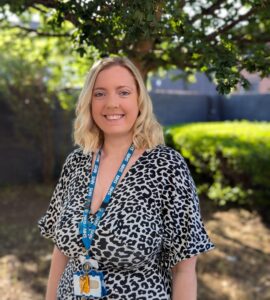
Holly Jackson
Our new cloud-based telephony system enabled us to work in this way. We used our branch site to support the main site because most of the calls came through to the main site.
In October we merged the two practices as one, but that six months of us working together before the merger was really helpful as it made the process much more seamless. It’s also made a massive difference to reception staff in terms of boosting morale and will continue to do so going forward thanks to the reduction of pressures associated with the 8am rush.
Now we’ve successfully brought the two practices together our next step is to move forward with clinical triage to further reduce pressure on the reception team and we’ve used part of the data from our practice dashboard to look at how we can plan our staffing based on where we need our clinical hours.
Decisions based on the dashboard
The current plan is to have an advanced nurse practitioner as a duty ANP for the day, with triaging based in reception with the reception team who have sight of the call board. We’re going to start off by having the list -the amount of capacity on the day- plus a third with the intention of extending that a little bit. We’ve done a couple of trial days and the ANPs have used the call data to decide whether they need to extend the list or not. On one of the trial days, we had a high volume of calls – maybe because we promoted that we were doing it. It was really busy and if we didn’t have that insight into the calls received, then we wouldn’t have had an idea of how many other patients are waiting to know that we needed to add that extra capacity and extend the list.
We’ve also looked at our consultation framework and the hours that our locum clinicians are working. By looking at the data, we’ve realised that while we have that busy period in the morning and we’re hoping that with triage that will reduce slightly, the need for afternoon appointments exceeds what we’re offering currently. So the cloud telephony system information has allowed us to look at rejigging clinicians and put in additional GP capacity later on in the day rather than having everyone starting first thing.
Keeping patients updated
It’s also allowed us to share the figures with patients. We couldn’t access data previously around the volumes of our incoming and outgoing calls. We now share that information with our patients on a monthly basis and we can compare this with national figures. We include it in our newsletter, it goes on a display board in our waiting room and it is shared on our website. This is really helpful when it comes to managing any patient concerns around access as we can show them the volumes we are dealing with – for example on a recent Monday we did just short of 1500 calls, which is quite significant.
With our new system updating the phone message is also very simple, it’s so much easier having in-house, instant control of this patient-facing messaging. We’ve recently changed the way that we’re ordering prescriptions – we updated the message on the phone system immediately. On the days we were doing our triage trial days we could make sure that patients knew that things were going to be slightly different before they got through to the reception team.
Using the data to inform staffing
We also do regular audits using phone recordings to identify any staff training needs and opportunities to ensure resource is used for maximum benefit – for instance if Monday mornings are particularly busy, we might put somebody extra in on a Monday morning, and take somebody out on a Tuesday afternoon to get caught up with admin, tasks for example – we realised the reception team doesn’t necessarily have to be full all the time.
We’ve also tweaked the reception lunchtime rota to better meet the needs of the initial rush when our phones first come back on at 1:30pm after the lunchtime break.
Like with any new process there have been some challenges – we have found some difficulties around last minute cover due to the way our licenses are currently set up. This has been the only barrier – and one we have been able to overcome by changing the way we do things. In the short term we are physically moving staff into reception but in the longer term when we move forward with clinical triage, we’re going to look how we bring together our reception and admin functions to allow more flexibility as to where and how the team works.
We’ve made huge changes at the practice in the past year based on the cloud telephony data. It’s been a very positive change for us and we can really notice the benefits for our team and for our patients.