

Introduction
This report relates to the disclosures NHS England received between 1 April 2024 and 31 March 2025. It summarises:
- the number and type of disclosures received
- how NHS England has responded to the disclosures
- how the disclosures have affected NHS England’s ability to perform its functions and meet its objectives
What are whistleblowing disclosures?
The Employment Rights Act 1996 (the Act) provides protection for employees who pass on information concerning wrongdoing in certain circumstances. The protection only applies where the person who makes the disclosure reasonably believes:
- that they are acting in the public interest, which means that protection is not normally given for personal grievances
- that the disclosure is about one of the following:
- criminal offences (this includes financial improprieties, such as fraud)
- failure to comply with duties set out in law
- miscarriages of justice
- the endangering of someone’s health and safety
- damage to the environment
- covering up wrongdoing in any of these categories
NHS England is a ‘prescribed person’ according to the Public Interest Disclosure (Prescribed Persons) Order 2014. This means people can make disclosures to us under the Employment Rights Act 1996 and receive protection if they have a reasonable belief that the failure being disclosed falls within our remit and that the information disclosed is true.
Our remit as a prescribed person covers:
- primary care services (primary medical, dental, ophthalmic and pharmacy services)
- NHS trusts, NHS foundation trusts and independent sector providers providing NHS services
- our workforce planning, training and education functions
- integrated care boards (ICBs)
When information is disclosed to us that is about the NHS but outside this scope, we will still consider whether further action to address the issue raised is appropriate.
This report describes disclosures that we consider as falling within our remit as a prescribed person as ‘in-scope’. Disclosures falling outside the remit are described as ‘out-of-scope’.
Why are we publishing this report?
The Prescribed Persons (Reports on Disclosures of Information) Regulations 2017 require prescribed persons to report annually on whistleblowing disclosures they receive.
Annual reporting on whistleblowing improves transparency and reassures people who speak up that disclosures will be taken seriously. In this report, we use the term whistleblowing to reflect the government guidance, but we also refer to this activity as ‘external Freedom to Speak Up’ in NHS England. Concerns raised with us are considered under our External Freedom To Speak Up Policy for NHS Workers.
The information provided is in accordance with government guidance. No information has been included that would identify individuals who have spoken up to us or people mentioned in the disclosures.
NHS England’s functions and objectives
Listening to colleagues who speak up is vital for regulating the NHS and improving staff experience and patient care. It can help us identify safety and quality concerns as well as serious issues with leadership and governance.
We continue to review and improve our approach to encouraging, receiving and handling disclosures. In doing so, we take account of government guidance, specialist guidance, our own experience and the approach taken by other prescribed persons.
We use in-scope and out-of-scope disclosures from NHS workers and other relevant information to inform our oversight and support of NHS providers (in line with the NHS Oversight Framework). This includes sharing information with other relevant organisations and agencies, particularly the Care Quality Commission (CQC), to inform their regulation of healthcare providers.
Information about disclosures received
NHS England received 690 disclosures in 2024/25 reporting period. Of these, 420 (61%) were considered in-scope disclosures. This is a 59% increase on the total number of cases received in the previous reporting period.
Figure 1: disclosures falling in and outside our remit
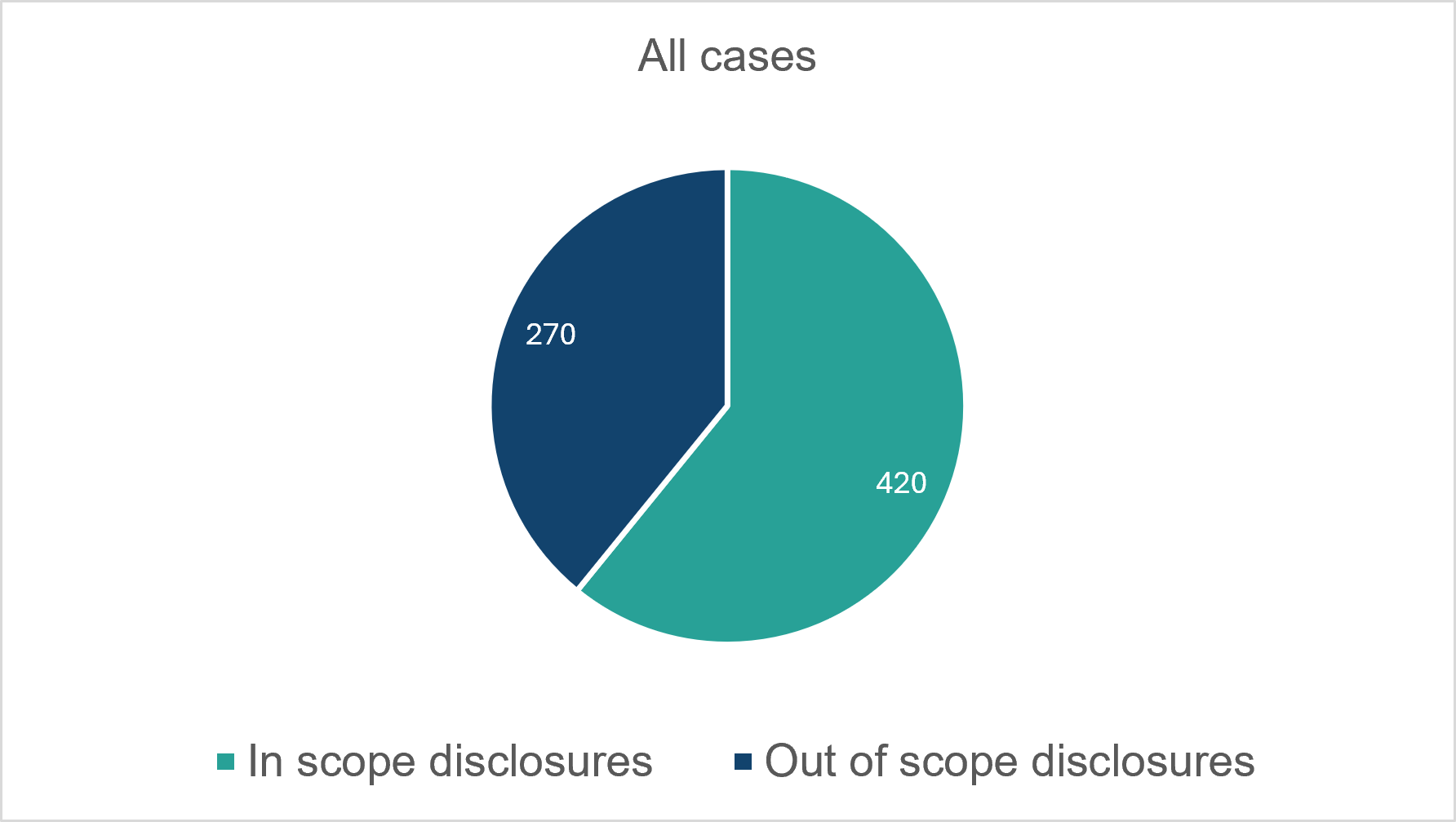
Figure 1 shows out of all whistleblowing cases with 420 in‑scope disclosures and 270 out‑of‑scope disclosures.
Figure 2: disclosures received by sector
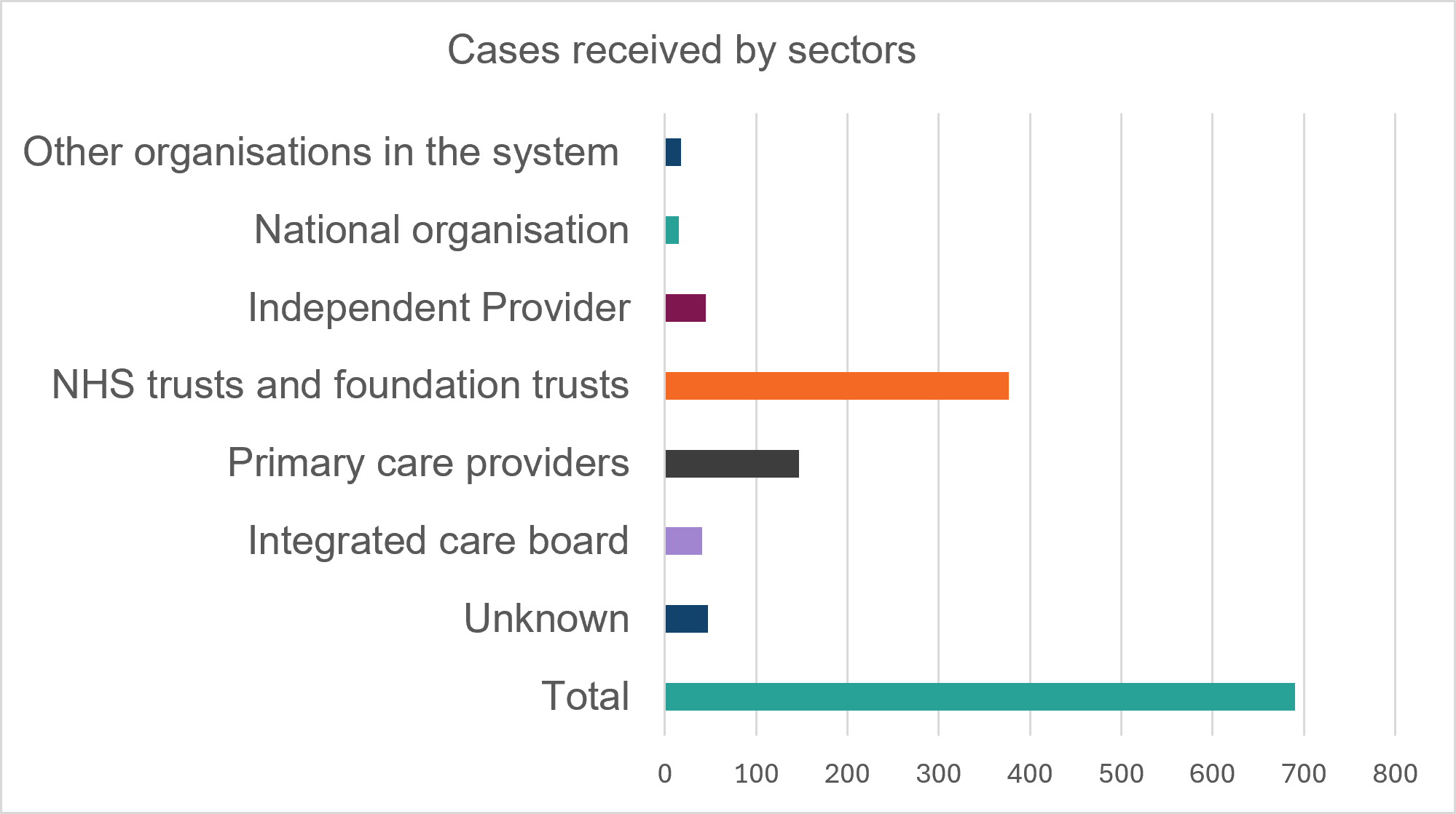
Figure 2 shows the type and number of organisations involved in disclosures:
- other organisations in the system: 18
- national organisation: 15
- independent provider: 45
- NHS trusts and foundation trusts: 377
- Primary care providers: 147
- Integrated care board: 41
- unknown: 47
- Total: 690
Figure 3: disclosures received by location
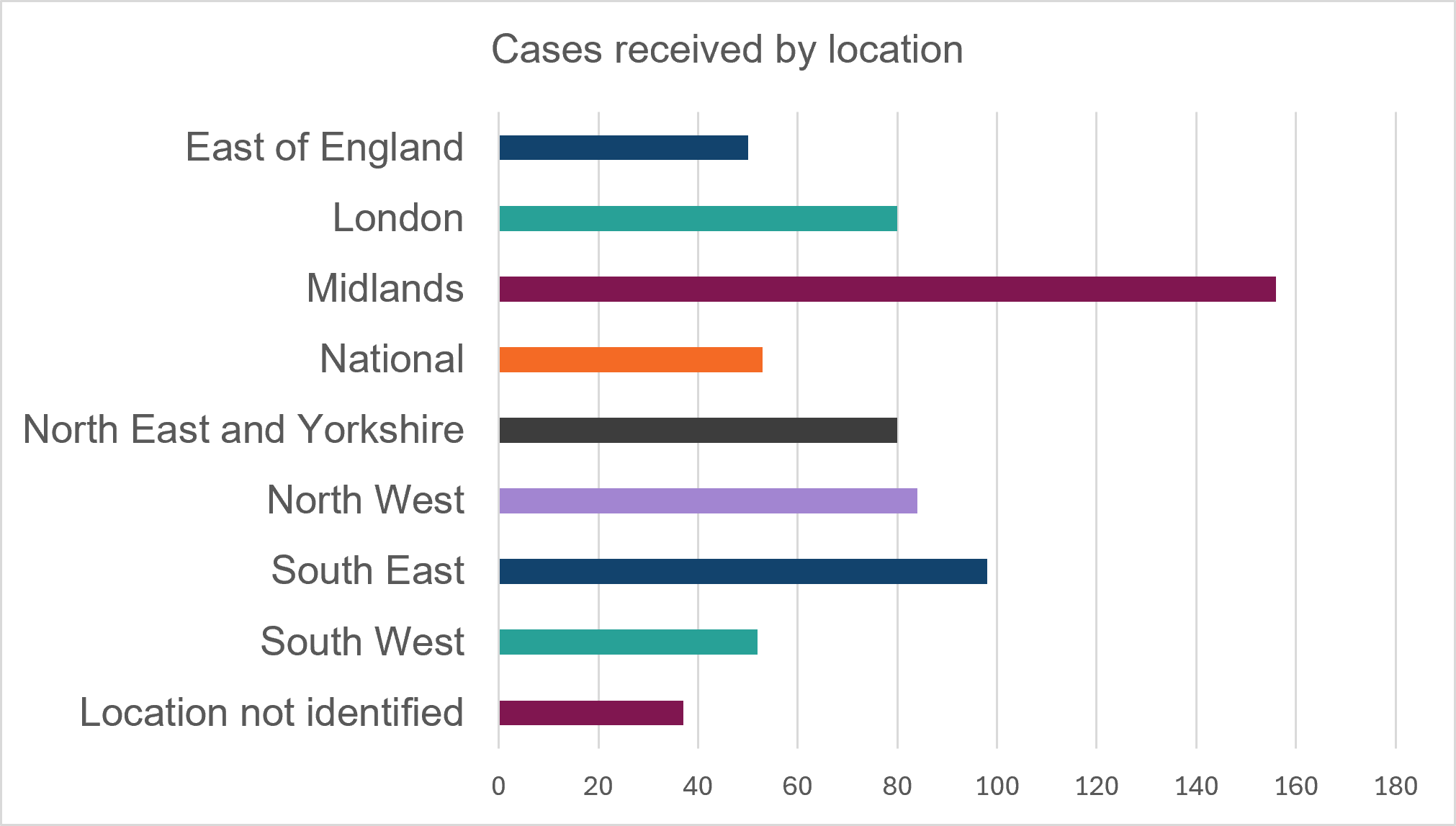
Figure 3 shows the location and number of organisations involved in disclosures:
- East of England: 50
- London: 80
- Midlands: 156
- National: 53
- North East and Yorkshire: 80
- North West: 84
- South East: 98
- South West: 52
- Location not identified: 37
Speaking up about primary care providers (including host organisations for primary care services)
Figure 4: disclosures received by types of primary care provider
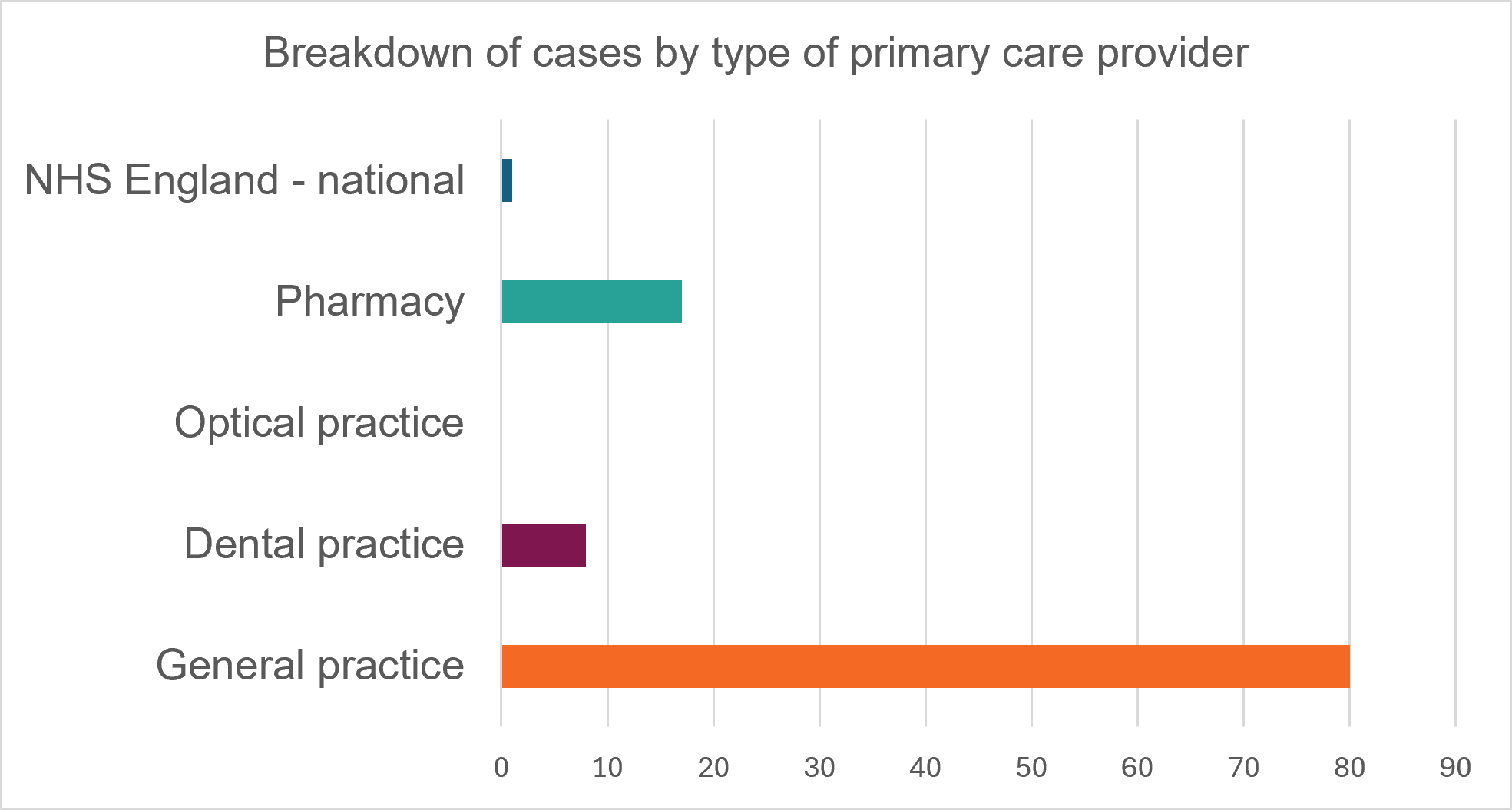
Figure 4 shows the number of disclosures received by different types of primary care provider:
- NHS England: 1
- pharmacy: 17
- optical practice: 0
- dental practice: 8
- general practice: 80
NHS workers can contact NHS England as a prescribed person with concerns about the delivery of primary medical, dental, ophthalmic and pharmaceutical services in England, whether provided by individual organisations or supported and run by NHS trusts or foundation trusts.
In 2024/25, we received 147 disclosures for primary care overall, representing 21% of the total disclosures received. Of these, NHS England considered 106 (72% of all primary care disclosures) to be in-scope disclosures.
The 3 most common issues that workers spoke up to us about in primary care organisations in 2024/25 were:
- The safe running of a practice (predominantly pharmacy, GP or dental services).
- Professional standards concerns, where there are concerns over primary care professionals on the Performers Lists (GPs, optometrists and dentists).
- Poor culture within a primary care organisation.
Actions taken by NHS England in response to these disclosures
Since 1 July 2022, NHS England has delegated its commissioning responsibilities in relation to primary medical, dental, optometry and pharmacy services to integrated care boards (ICBs). This includes a responsibility for ICBs to investigate whistleblowing concerns related to primary care when NHS England asks them to do so.
In a high proportion of primary care cases, therefore, we asked the relevant ICB to determine whether the disclosures raised had implications for the provider’s commissioning or contractual obligations. In other cases, we thought the issues raised should be looked at by a different regulatory body, such as the Care Quality Commission (CQC) or NHS Counter Fraud, or by the relevant professional standards team within NHS England.
In 2024/25, NHS England – or an ICB acting under the delegation arrangements – took action in 59 (40%)of these cases. In most cases, we made further enquiries as part of our performer list function or the ICB looked at contractual obligations.
Figure 5: actions taken in response to primary care disclosures
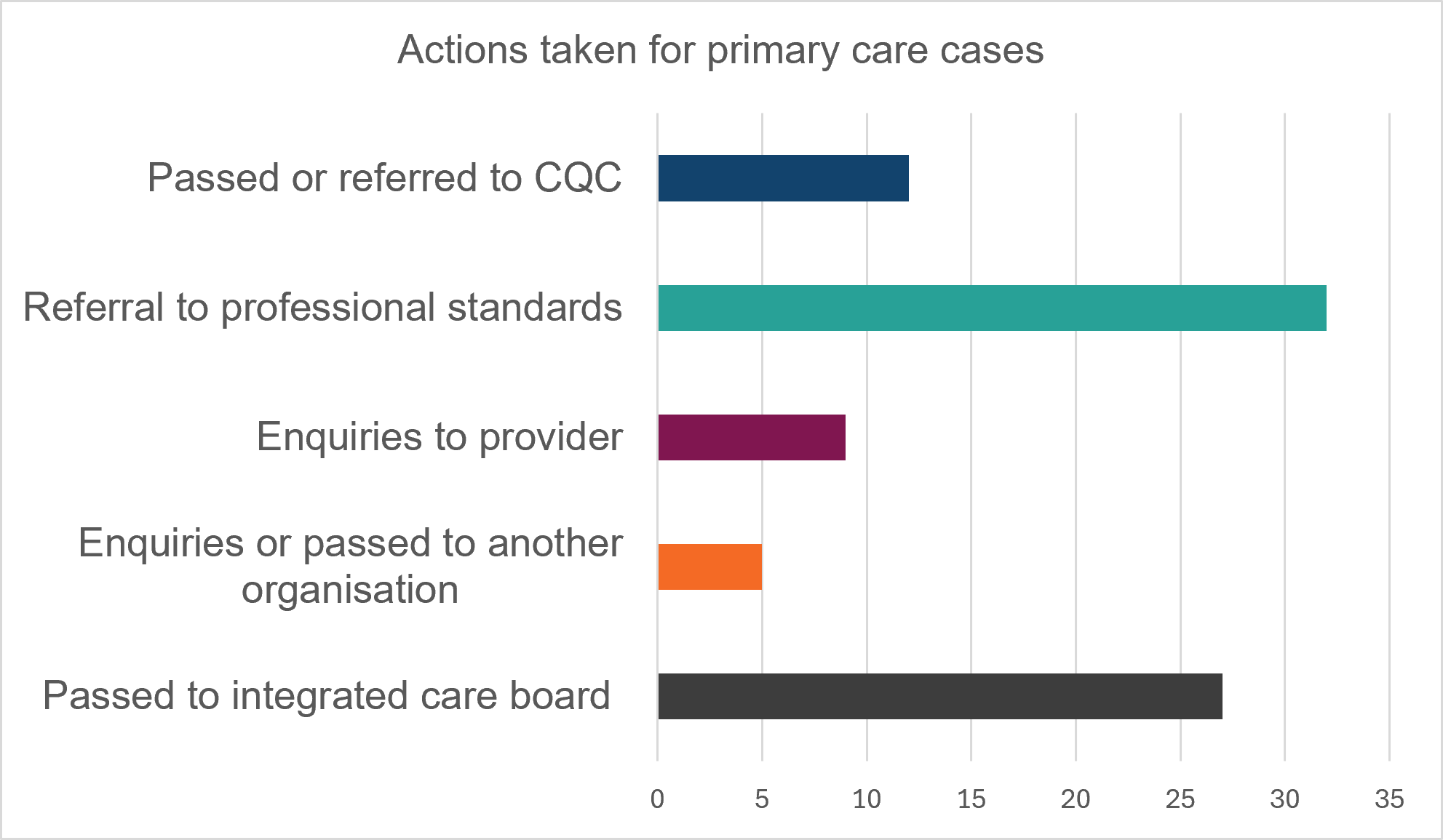
Figure 5 shows the number of actions taken in response to primary care disclosures:
- passed or referred to CQC: 12
- referrals to professional standards: 32
- enquiries to providers: 9
- enquiries to or passed to another organisation: 5
- passed to ICBs: 27
The total number of actions exceeds the number of cases because a single case could lead to more than one action.
As a high number of the concerns raised involved performer concerns, our most frequent action was to refer the matter to the professional standards team.
The information we received following these enquiries usually provided us with enough assurance that no further action was necessary. In a few cases, these enquiries led to further action regarding individual performers and subsequent recommendations for improvement. In some cases, other regulators took actions due to concerns initially shared with NHS England.
Where we took no substantive action, the main reasons were:
- the issue being raised was already known about and being addressed
- we did not have sufficient detail to take any action
- local resolution was still underway
Speaking up about NHS trusts and foundation trusts (including ambulance, community and mental health care trusts)
NHS workers can contact us with concerns about the quality, financial and operational performance of NHS trusts and NHS foundation trusts.
In 2024/25, we received 377 disclosures relating to these organisations (55% of the total received). Of these, NHS England considered 231 (61% of all secondary care disclosures)to be in-scope disclosures.
The 3 most common issues that workers spoke up to us about in these organisations in 2024/25 were:
- unsafe care regarding patient safety and quality
- safe and effective staffing
- concerns about leadership regarding quality and safety oversight
Figure 6: disclosures received by types of NHS trusts and foundation trusts
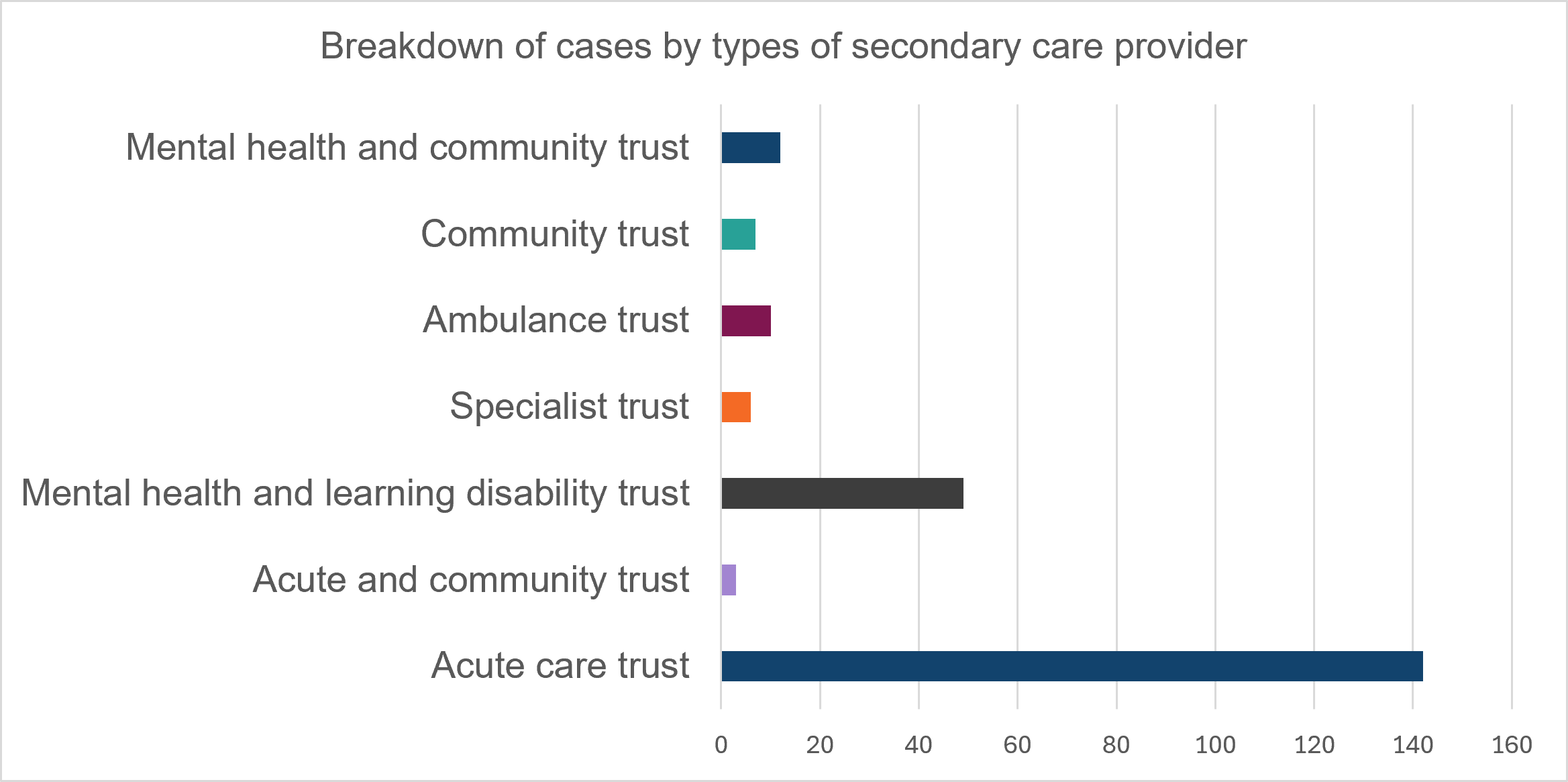
Figure 6 shows the number of disclosures received by different types of secondary care provider:
- mental health and community trust: 12
- community trust: 7
- ambulance trust:10
- specialist trust: 6
- mental health and learning disability trust 49
- acute and community trust 3
- acute care trust 142
Actions taken by NHS England in response to these disclosures
Figure 7: actions taken in response to NHS trust and foundation trust disclosures
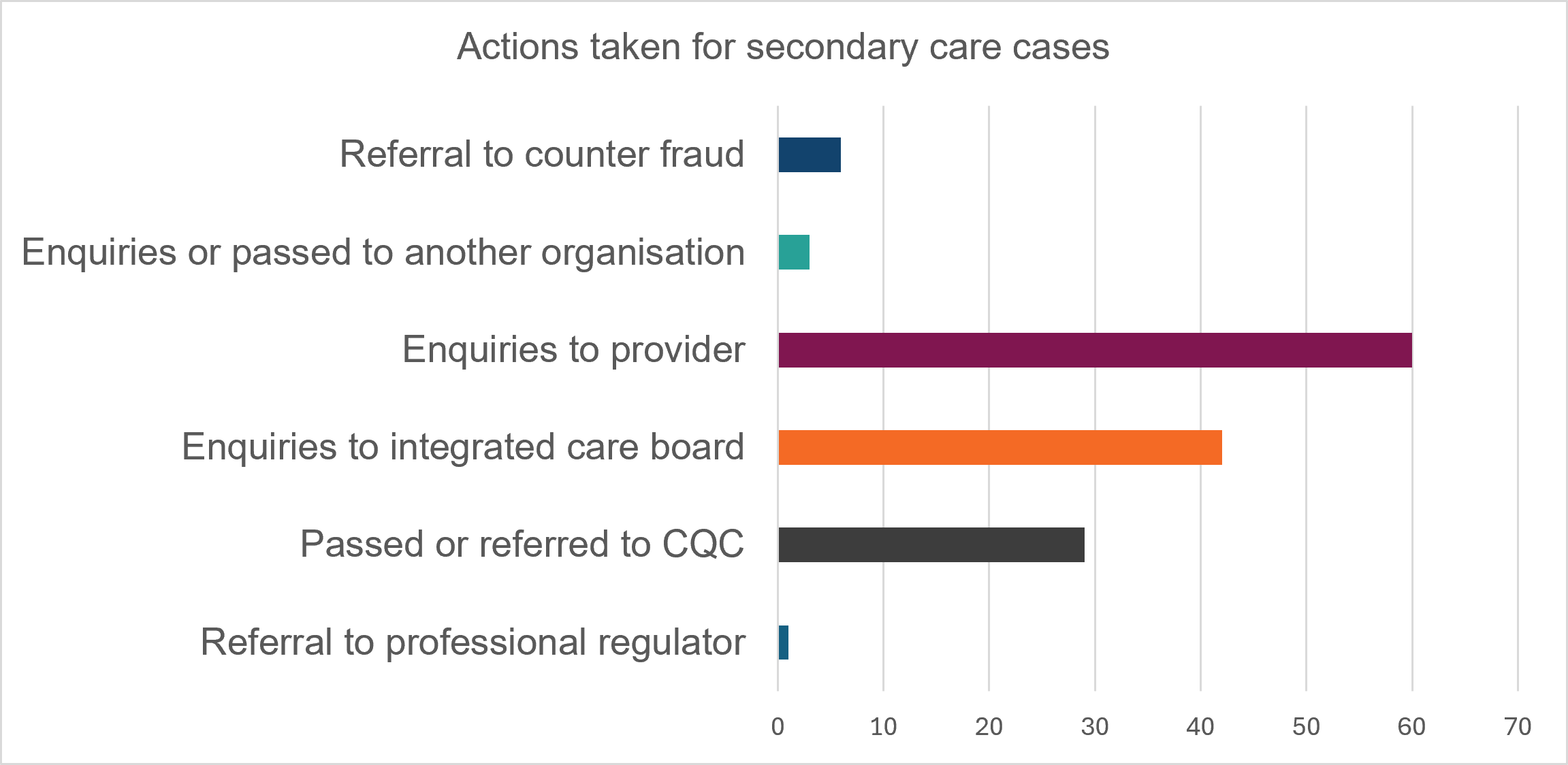
Figure 7 shows the number of actions taken in response to NHS trust and foundation trust care disclosures:
- referral to counter fraud: 6
- enquiries or passed to another organisation: 3
- enquiries to provider: 60
- enquiries to ICB: 42
- passed or referred to CQC: 29
- referral to professional regulator: 1
The total number of actions exceeds the number of cases because a single case could lead to more than one action.
By the end of 2024/25, we had acted in 85 cases (37% of the total disclosures received about these organisations). In many cases, this involved making further enquiries as part of our oversight and support to providers (in line with the NHS Operating Framework). Usually, the information we received provided us with enough assurance to conclude no further action was necessary.
In some other cases, we asked providers to commission an investigation with NHS England’s input and/or oversight. These resulted in recommendations for improvements, usually in relation to overall governance, quality or leadership.
In many cases, we shared or referred information to the CQC. In one case, we decided that another regulatory body should also consider the disclosed information.
Where we took no substantive action, the main reasons were:
- the issue being raised was already known about and was being addressed by our regional teams or the ICB
- we did not have sufficient detail to take action
In a proportion of cases, workers hadn’t known about or used internal processes. Where we considered local resolution the most appropriate action, we encouraged them to use their internal speaking up processes if they felt able to.
Speaking up from integrated care board workers
NHS workers can contact us with concerns about the financial, oversight and governance performance of ICBs.
In 2024/25, we received 41 (6%) disclosures about ICBs. Of these, NHS England considered 30 (41% of all ICB disclosures) to be in-scope.
The 3 most commonissues that workers spoke up to us about in these organisations in 2024/25 were:
- Executive/senior conduct demonstrating poor cultural leadership.
- Commissioning decisions.
- Matters relating to safeguarding.
Actions taken by NHS England in response to these disclosures
NHS England approached the relevant ICB to make further enquiries in 9 (30%)of these cases. In most cases, this provided us with enough assurance that no further action was necessary.
A small number of cases led to further enquiries. In a few cases, these enquiries led to recommendations for improvements, usually relating to overall ICB governance, quality or leadership.
In 2 cases (7%), we referred the matters for review by NHS Counter Fraud.
We took no substantive action in 21 cases (70%). The main reasons were:
- the issue being raised was already known about and being addressed by our regional teams
- we received insufficient information to make any further enquiries
Speaking up by workers in independent organisations providing NHS services
Workers in independent organisations providing NHS services can contact us with concerns about the quality and performance of their organisation relating to the NHS service they provide.
In 2024/25, we received 19 disclosures about independent organisations (3% of the overall total received). Of these, NHS England considered 19 to be in-scope.
The 3 most commonissues that workers spoke up to us about in these organisations in 2024/25 were:
- Executive and senior conduct demonstrating poor cultural and behavioural leadership.
- Matters related to handling of speaking up.
- Matters related to safe staffing and medicine management.
Actions taken by NHS England in response to these disclosures
In 9 (47%) of these cases, we approached the commissioning ICB to request they make further enquiries or we approached the independent provider directly. In most cases, this provided us with enough assurance that no further action was necessary.
In a small number of cases, this led to further enquiries. In a few cases, these enquiries led to recommendations for improvements, usually in relation to overall provider governance, quality or leadership. In 7 (37%)cases, we also made enquiries or shared the information with the CQC.
In one case, an independent investigation was conducted which led to a number of recommendations.
We took no substantive action in 10 (53%)cases. The main reasons for this were:
- the issue being raised was already known about and being addressed by our regional teams
- we received insufficient information to make any further enquiries
Reasons for speaking up to NHS England
While most workers who speak up in the NHS do so within their employing organisations, there are a range of reasons why workers might wish to speak up to NHS England.
We ask workers who speak up to us why they chose to come to us rather than instead of their own organisation.
This helps us to understand the barriers to speaking up locally and to support NHS organisations to improve their own speaking up arrangements.
Figure 8: Reasons for speaking up to NHS England
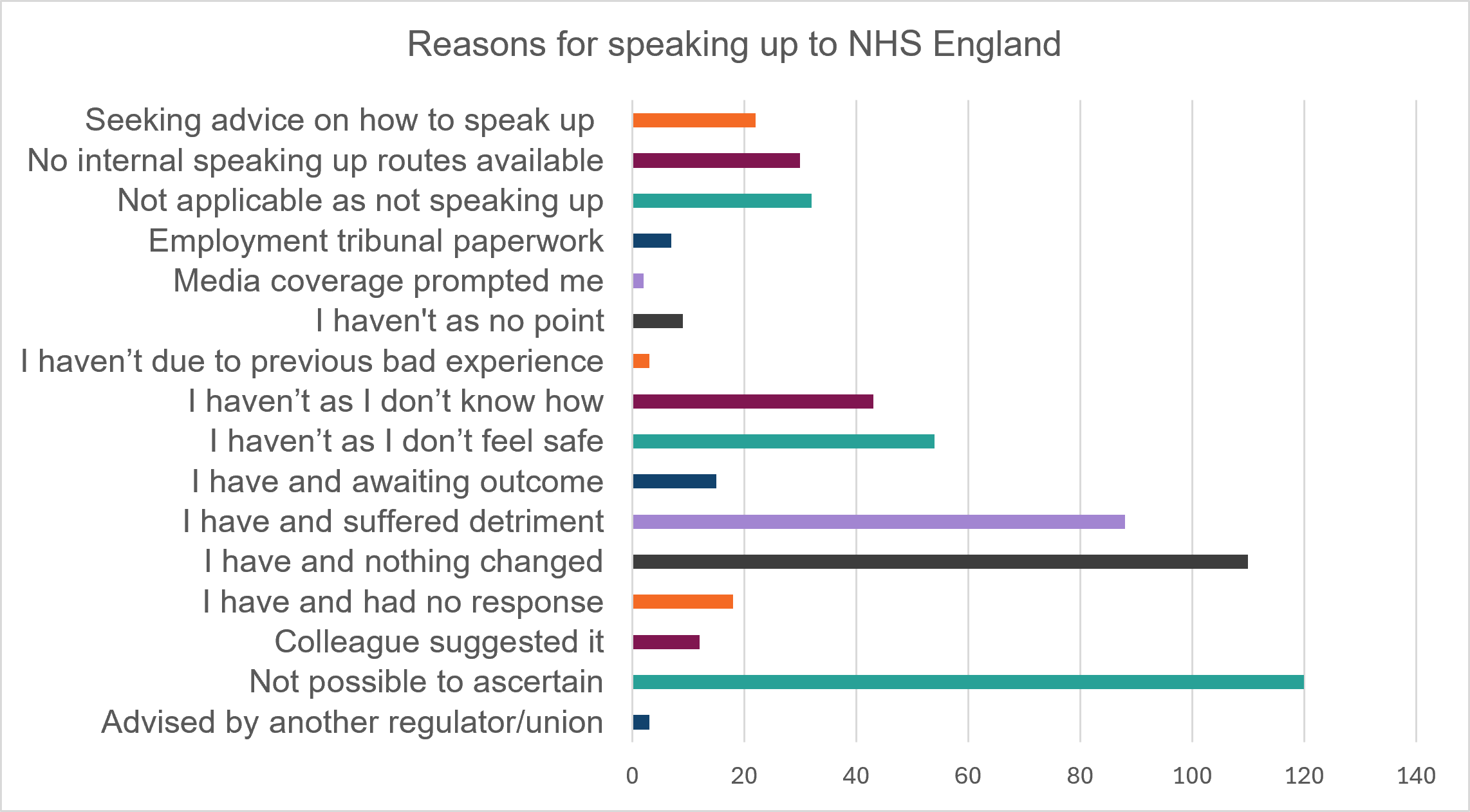
Figure 8 shows the reasons for people making whistleblowing disclosures to NHS England rather than using their own organisation’s processes, and the number of people who gave these reasons. It also shows where people did not disclose the reason for this:
- “Seeking advice on how to speak up”: 22
- “No internal speaking up routes available”: 30
- Not applicable as not speaking up: 32
- Employment tribunal paperwork: 7
- “Media coverage prompted me”: 2
- “I haven’t as no point”: 9
- “I haven’t due to previous bad experience”: 3
- “I haven’t as I don’t know how”: 43
- “I haven’t as I don’t feel safe”: 54
- “I have and awaiting outcome”: 15
- “I have and suffered detriment”: 88
- “I have and nothing changed”: 110
- “I have and had no response”: 18
- “Colleague suggested it”: 12
- Not possible to ascertain: 120
- Advised by another regulator or union: 3
The totals differ from number of cases as this only reflects available information.
Reasons for speaking up to NHS England by sector
Speaking up in secondary care
Listed below are the 3 most common reasons for speaking up to NHS England rather than their local organisation in secondary care and the number of people who gave these reasons.
- “I have and nothing changed”: 99
- “I haven’t spoken up as I don’t feel safe”: 53
- “I have and suffered detriment”: 14
From the data collected, the most common reason for speaking up to NHS England by those working in the secondary care sector was a perception that speaking up within their organisation had made no difference.
The next most common reasons related to experiencing disadvantages for having spoken up, ranging from being excluded and ignored to being demoted or going through disciplinary processes, and not feeling safe to speak up further within their organisation. These are the same top 3 reasons as in the previous year.
NHS England continues to work with NHS organisations to ensure:
- they listen to their workers when they speak up
- they take action where necessary to resolve the issues
- they give clear explanations and feedback while maintaining appropriate confidentiality
Speaking up in primary care
Listed below are the 3 most common reasons for speaking up to NHS England rather than their local organisation in primary care and the number of people who gave these reasons.
- “No Freedom to Speak Up arrangements in my organisation”: 25
- “I have and suffered detriment”: 21
- “I have and nothing changed”: 15
Within primary care, the most common reason for speaking up to us was a lack of speaking up arrangements within their organisation. The next 2 most common reasons are similar to those in secondary care organisations.
Speaking up in other organisations
The small number of workers speaking up about independent providers and ICB-related issues made it difficult to ascertain any patterns to their reasons for approaching us.
Overall, the reasons were usually a mixture of fear of speaking up internally, a poor response to having spoken up internally or a fear of futility with speaking up internally.
Improving the experience for NHS workers speaking up
Improving our own processes
Following an internal review of our case management processes in 2023/24, NHS England’s external freedom to speak up processes underwent a formal audit in 2024/25.
As a result, we are currently undertaking some recommendations for improvements.
Assessing detriment
A high number of workers speaking up to NHS England have reported experiencing detriment for speaking up to their local organisation. As a result, we have actively referred individuals to the national Speaking Up Support Scheme, which offers support to past and present NHS workers.
The scheme has provided both 1-to-1 and group support to help those individuals move forward in their personal and professional lives, share their lived experiences, and contribute insight that can help the NHS improve speaking up processes.
Individuals receiving support have highlighted ongoing cultural and systemic challenges to speaking up. These include limited psychological safety, inconsistent leadership support and transparency, and human resource (HR) policies that are often unclear or feel unsafe to engage with. They also reported that the role and influence of the freedom to speak up guardian varied significantly across NHS settings, affecting the support staff received.
In response, we are exploring ways for the NHS to better understand and measure both the impact and cost of detriment when speaking up, including how it affects workplace culture, staff wellbeing and patient care, while also acknowledging the emotional and professional toll on those who speak up.
Publication reference: PRN2005