
Blog: the work and early learnings from the Leeds pioneer site
In this blog, Nicola Nicholson Associate Director for Strategy & Programmes and Leeds National Neighbourhood Health Implementation Programme Local Coach talks about the work and early learnings from the Leeds pioneer site. The team are also closely involved in the development of a new neighbourhood health centre on Beeston Hill.
The work we are doing under the umbrella of Neighbourhood Health in Leeds aims to support our ambitions for the city, most specifically reducing health inequalities.
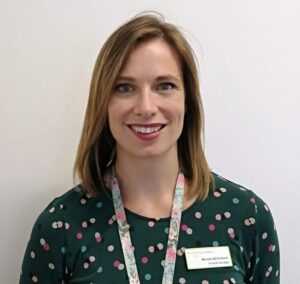
Nicola Nicholson
A shared goal
Our goal is to make Leeds the best city for health and care, where neighbourhood services work together, and with people, to reduce health inequalities, improve quality of life, and deliver integrated, person-centred care in the right place, at the right time.
Where the people of Leeds can say: “I live in a thriving community, where I feel safe and truly cared for. There are green spaces where I exercise regularly with social groups. When I need care it is joined-up care and understands me, not just my condition – I am supported to live a healthy life.”
People in Leeds have told us that what matters most to them is communication, coordination and compassion in health and care – to be understood as a whole person. In Leeds, we call these the 3Cs, and they form the foundation for how we are improving our health and care services.
A holistic approach
We’ve long understood the importance of the wider determinants of health, such as housing and digital inclusion, and through our Neighbourhood Health work, we have learnt the importance of connecting those different services and assets together with health and care to improve health outcomes. We have seen that by connecting services and building trusted relationships between staff in different organisations/sectors, we deliver more than the sum of our parts – people receive more timely, tailored support to improve their outcomes and experience.
Leeds is building on local successes already achieved from working in multidisciplinary, networked teams over a number of years. This involves expanding our existing work with 15 Local Care Partnerships (LCPs), continuing to integrate health services at the neighbourhood level, and linking health with other services, such as housing, debt advice, and fitness initiatives, to promote proactive, patient-centred care.
Over the past year we have been establishing neighbourhood proactive care teams across all our LCPs. These clinical and non-clinical multidisciplinary teams support people with frailty and multiple long-term conditions, as well as their carers, working together to deliver person-centred holistic support, and reduce the risk of a health crisis.
Addressing frailty in the community
For example, we’re establishing frailty and falls hubs in neighbourhood centres that support people living with mild to moderate frailty who are at risk of a fall. We’ve already opened hubs in two parts of the city, where we provide strength and balance classes, whilst also connecting people to a wider range of support.
As well as helping to reduce the risk of falls and slowing down the onset of frailty, the hubs also help to address social isolation through providing lunch and provide transport to for people who otherwise wouldn’t have been able to get there.
As a result of this work, more people from these areas are being referred into falls prevention services such as ‘Care and Repair,’ which enables individuals to reduce their risk of future incidents and regain their independence, allowing them to continue living comfortably and safely in their own homes while maintaining their quality of life.
For example two patients, let’s call them Pete and Wilma (not their real names) attended our Falls Hub taster day together and signed up to classes, including Strength and Balance, Tea and Toast, and Active Leeds Aqua Mobility sessions and have both reported they felt more physically confident and made new friends in the classes.
They have also engaged with our social prescribing service ‘Linking Leeds’ which helps people to address concerns in their life that are having a negative effect on their physical and mental wellbeing. As a result, Wilma feels she can bend and pick things up from the floor and Pete is looking forward to the next class.
Bringing care to patients
This is just one recent example of how bringing care to patients where they are, in a truly holistic way, can make a real positive difference and lead to better health and wellbeing outcomes. Whilst these two LCPs are focussing on supporting people at risk of falls, other LCPs are targeting other cohorts of people – for example, in Cross Gates and Seacroft LCPs they have developed integrated support for people living with advanced respiratory conditions. Each LCP is being led by data and evidence to developed tailored support that meets the needs of their local community.
Our experience has shown the importance of better connecting services to put the needs of communities, people, and their carers, first.
Our Neighbourhood Health work not only helps improve experiences of health and care, and improve outcomes, it also supports all three of the major shifts outlined in the 10 Year Plan. For example, with regards to the analogue to digital shift, our neighbourhood teams have been strengthening relationships with our digital inclusion team based in Leeds City Council, which supports people to feel more confident to use digital services, including NHS services, as well as helping reduce isolation and improve self-management.
The path ahead
Our ambition for our new Neighbourhood Health Centre in Beeston, which is one of the poorest parts of our city, is to continue building upon, and learning from, our ongoing efforts to integrate community care, to create a hub that has co-located services and fosters integrated working, and ultimately becomes a place that reflects the needs of the local people in that neighbourhood and supports community empowerment. That’s what our new neighbourhood hubs and centres will achieve – bringing together a wider range of networked and tailored support that meets the needs of the communities of that local neighbourhood.
Although it’s still early days, we can already see the impact of our collaborative work in delivering our vision – delivering care closer to home, that is compassionate, coordinated, delivered with good communications, and is supporting people living with the biggest health inequalities.
More information on neighbourhood health centres in the North East and Yorkshire region