
Data Driven Neighbourhood Health in Bradford District and Craven
The Bradford District & Craven National Neighbourhood Health Implementation Programme (NNHIP) site is demonstrating how data, targeted prevention and strengthened cross‑sector relationships can transform care for people living with multiple long‑term conditions. Under the leadership of its clinical lead Keighley-based Dr Richard Carr, a GP for Modality Partnership, the area has adopted an approach that moves away from reactive, diagnosis‑based models and towards proactive, population‑level intervention.
From the outset, the Bradford District & Craven team chose not to focus on single conditions but instead on rising risk, multimorbidity and increasing complexity. “The focus was less about a specific condition,” Dr Carr explained, “and more about recognising increasing age, multiple long‑term conditions and multimorbidity – and encouraging that leftward shift towards proactive identification”
Using advanced risk stratification to identify people earlier
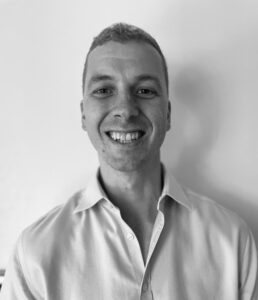
Dr Richard Carr
A key innovation within the Bradford District & Craven NNHIP site has been the piloting of the new eFalls risk stratification tool, designed by the same group who created the well‑established electronic Frailty Index (eFI). Created as part of specific work specifically undertaken in Keighley as part of the development of the Keighley & Airedale Integrated Neighbourhood Team, this tool estimates a person’s risk of falling in the next 12 months, providing clinicians with a clear percentage score.
Over five to six months, practices have used this score to segment patients into cohorts, allowing the team to design tailored interventions:
- High‑risk patients receive a holistic clinical assessment by healthcare assistants, GPs and wider primary care colleagues. This includes medication reviews, discussions about advanced care planning, and identification of ways to support the person safely at home.
- Intermediate‑risk patients have been supported via remote monitoring delivered through the acute trust -an area the team is continuing to refine.
- Lower‑risk patients have benefited most from community‑based voluntary sector support, particularly local exercise programmes and social participation initiatives.
Dr Carr noted that the voluntary sector contribution has been unexpectedly powerful: “It’s been extremely impactful – especially for the lower‑risk cohort who really benefit from getting out of the house and reducing loneliness.”
Strengthening relationships across primary, secondary and community care
One of the most important insights from the Bradford and Craven pilot has been the improvement in relationships across organisational boundaries. Historically, collaboration between primary and secondary care could be fragmented, but Dr Carr reports substantial progress: “Through this programme, there is an opportunity to really strengthen some of those relationships… it’s helping build professional connections I didn’t have before”
This has been particularly evident through the remote monitoring pilot, where community and acute teams have worked together around a shared patient cohort. Dr Carr notes that these relationships are essential if neighbourhood‑level models are to be sustainable.
Early evidence of positive patient experience
The team is already seeing tangible patient impact. One resident, after a proactive home visit, described how the intervention had boosted their confidence. The visit triggered a referral for equipment to reduce future falls risk, and the patient expressed enthusiasm for joining a community exercise group. “They felt very reassured and extremely happy to be approached in this way,” Dr Carr shared
Next steps for the programme
The next phase for Bradford District & Craven is scaling neighbourhood working. “The question now is how we incorporate existing community services into the same model,” Dr Carr explains, “to reduce duplication and work around a shared strategic vision”
This site is demonstrating how proactive identification, strong voluntary sector partnerships and integrated teamworking can reshape outcomes for people with complex needs.