
Neighbourhood Health in North East Lincolnshire – Making connections in the community
North East Lincolnshire’s work as part of the National Neighbourhood Health Implementation Programme (NNHIP) is centred on understanding the “whole person” and addressing the factors that shape people’s lives beyond clinical need. This approach recognises that health outcomes are inseparable from environment, support networks, and access to local services.
Identifying the right groups needing help
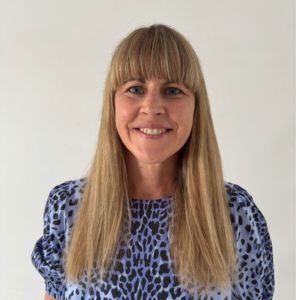
Sarah Everest-Ford
When the programme began, sites were asked to focus on adults with long‑term conditions and rising risk. North East Lincolnshire chose to take a broad view by identifying people with two or more moderate to severe long‑term conditions, combined with high service use such as five or more A&E attendances in a year.
Using the ICB’s innovative population health management tool, the team tailored the model to local need. As Sarah Everest‑Ford, Local Improvement Coach, explains:
“We didn’t want to focus on a specific disease area. We wanted to look at people with long‑term conditions and rising risk.”
In some practices, demographics required the age threshold to be lowered:
“It made more sense to lower the age range to 30+. The needs looked different in these populations.”
This ensured the approach remained responsive and inclusive.
Cross‑sector meetings building a holistic view of people’s lives
Regular multidisciplinary meetings -huddles – have been key to the programme’s development. These meetings bring together primary care, community teams, mental health services, the voluntary sector and social care to build a shared understanding of each individual’s circumstances.
Sarah notes the insight these discussions provide:
“We’ve got some really lonely people who aren’t getting the support they need… and others with lots of services going in but not always coordinated as best they could be.”
These cross‑sector conversations expose different professional perspectives and help the system align its support around what matters most to the person.
“It’s been really interesting hearing how different partners see the same individual. It helps us understand what the person actually wants and needs.”
Placing the voluntary sector at the heart of neighbourhood working
The voluntary, community and social enterprise (VCSE) sector has played a central part in shaping North East Lincolnshire’s neighbourhood model.
“The voluntary sector has brought a much wider consideration of the person, not just the medical side,” Sarah explains. “They help start the ‘what matters to me’ conversations.”
Through their strong community presence and relationships, VCSE partners can identify issues such as loneliness, housing challenges, financial pressures and social isolation -factors that profoundly influence people’s wellbeing.
Sarah highlights the challenge of sustainability this can bring:
“VCSE organisations are flexing existing contracts with no additional funding. As we scale this work, that’s not sustainable.”
The team is exploring funding opportunities to secure voluntary‑sector capacity as neighbourhood working expands.
Taking health into the community
Improving access is a core theme in North East Lincolnshire’s approach. Many residents face barriers linked to transport, cost and confidence. To address this, services are being taken directly into community settings.
“We’ve started taking traditional services out to where people are,” Sarah explains, referencing outreach at football matches, YMCA sites and community centres.
This includes blood pressure checks and other preventive activity, ensuring support is available in familiar, accessible places.
Community‑led neighbourhood plans
In areas with the highest inequalities, the team is co‑producing neighbourhood plans shaped by residents’ lived experiences. Early conversations have highlighted barriers such as unsafe parks, poor transport links and difficulties accessing appointments.
Sarah describes the importance of this work:
“Some things that come out of neighbourhood plans are really simple in theory, but they’re real barriers – like a park not being used because of antisocial behaviour.”
Addressing these place‑based issues is essential to improving long‑term health outcomes.
Culture change and true integration
Sarah emphasises that neighbourhood working requires cultural change across organisations:
“Just because people are in the same building doesn’t mean they interact differently.”
She advocates for shared training, joint development and collective accountability to move beyond organisational boundaries and embed integrated working.
Scaling with purpose
The next phase for North East Lincolnshire is to scale neighbourhood working across the system, embedding successful projects and identifying future resource needs.
Sarah summarises:
“A lot of this is long‑term change. We might not see all the benefits straight away, but we have to hold our nerve.”
This long‑term focus underpins the area’s ambition to reduce inequalities and deliver better health outcomes through strong community connections.