

1. Introduction
This guidance is for integrated care boards (ICBs) and providers of eating disorder services and sets out how to design collaborative, integrated services that support all children, young people, and their families and/or carers. The guidance supports the three key changes in how health services work in England, as set out in Fit for the Future: The 10-Year Plan for England, and its implementation will help systems achieve the Eating disorders waiting time standard. First, it supports the to shift from treating illness to preventing it, by helping children and young people (CYP) get support early before eating disorders or disordered eating become more serious. Second, it supports the move from hospital to community-based care, making services easier to access closer to home and reducing reliance on inpatient care facilities. Finally, it encourages the use of digital tools and technology, where appropriate, to make it quicker and simpler for patients and their families to access the right help and support, and to provide joined up care across services.
Who should use this guidance
ICBs are encouraged to assess their services against the guidance to inform future commissioning approaches. Providers are encouraged to use this guidance to inform how they design the way their services work around CYP, and the wider system.
Note: Details about the access and waiting times standard (AWTS) for CYP with an eating disorder are included in the updated CYP’s Eating Disorder – Data Collection and Reporting Guidance.
2. Key principles
2.1 Partnership working
Positive partnerships involve:
- sharing ownership of challenges and seeking solutions, ensuring clear escalation plans, and structured resolution meetings
- developing partnership agreements countersigned by all agencies involved, ensuring roles and responsibilities are clear
- establishing clear referral pathways and information sharing protocols between agencies, including for shared care and transfers of care
- developing shared learning agreements, multi-agency training, and/or regular joint learning/reflective sessions and cross-agency supervision
- ensuring regular multi-agency meetings with key people from each organisation with discussions focused on the interests of CYP and their family or carers
2.2 Co-production
CYP and their families or carers should be involved in decisions about their care and contribute to service development. Services should:
- develop personalised shared care plans and risk assessments with CYP and their families/carers, taking into consideration any reasonable adjustments needed
- work in partnership with CYP and their families/carers to ensure feedback about their experiences of care contribute to positive changes in services.
2.3 Supporting additional health needs
Staff working in CYP’s mental health services (CYPMHs, sometimes known as CAMHS) and community eating disorder services (CEDS) should have the skills and confidence to treat CYP with neurodevelopmental conditions and those with chronic physical ailments, when an additional mental health issue arises. The necessary adjustments and adaptions should be made to support those with additional needs.
3. Integrated pathways
Care should be delivered in the community wherever possible, escalating to the next level of intensity – such as a paediatric or medical ward for physical health risks, or intensive community outpatient care – within a stepped care approach, before considering inpatient admission.
Staff across all agencies working with CYP should be trained to identify early signs of possible eating difficulties and equipped with the knowledge of local pathways and processes so that CYP can access treatment at the earliest opportunity. Single measures such as BMI centiles, should not be a barrier to CYP accessing early and/or preventative care and support.
CEDS should work collaboratively to enable access and support to the right service(s) at the earliest opportunity, including any teams/services involved in the treatment and care of CYP, as outlined in Figure 1.
Figure 1: CYP eating disorder services integral to the integrated care pathway.
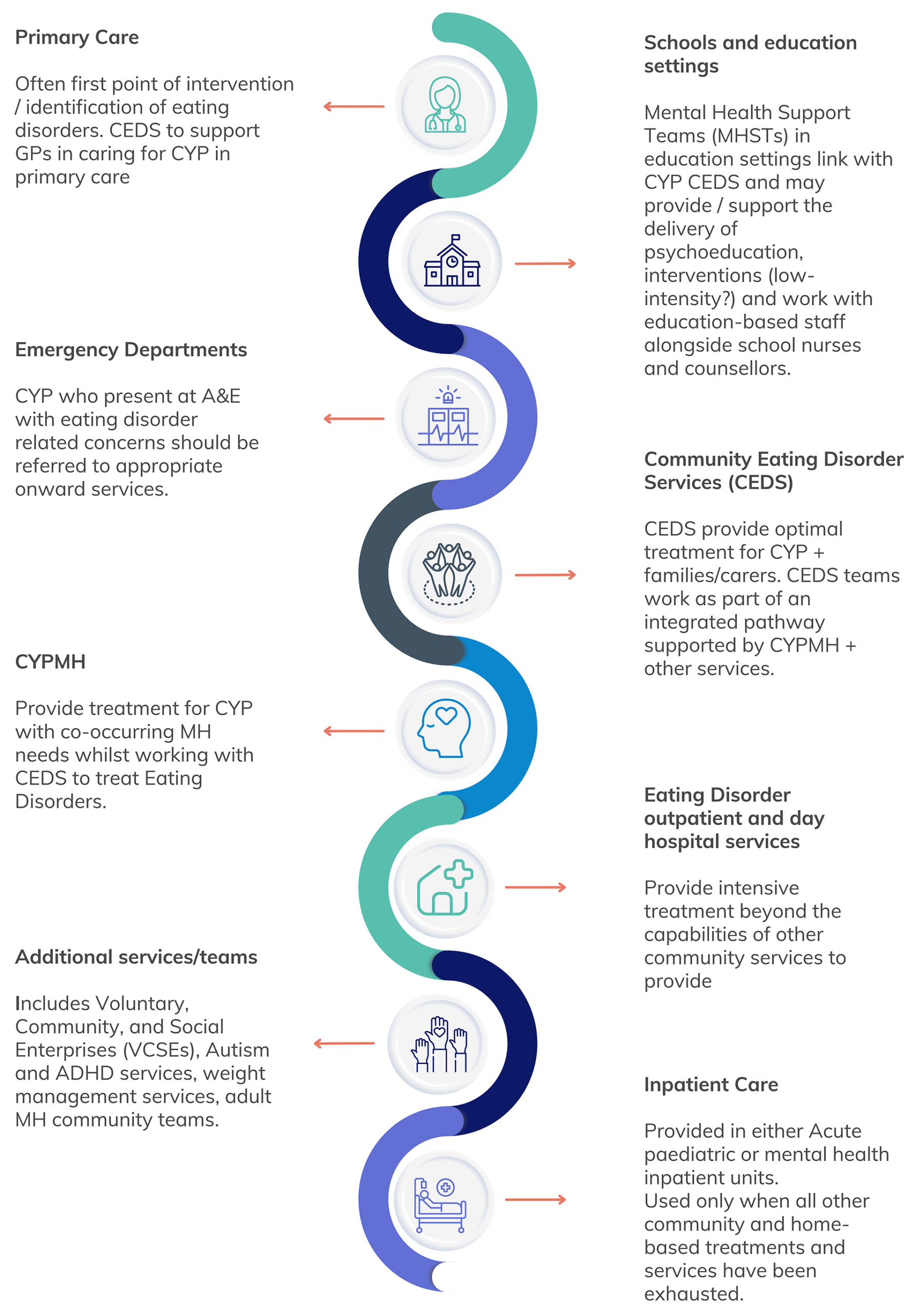
Image text:
Primary Care: Often first point of intervention/identification of eating disorders. CEDS to support GPs in caring for CYP in primary care.
Schools and education settings: Mental health support teams (MHSTSs) in education settings link with CYP CEDS and may provide/support the delivery of psychoeducation, interventions (low-Intensity?) and work with education-based staff alongside school nurses and counsellors.
Emergency departments: CYP who present at A&E with eating disorder related concerns should be referred to appropriate onward services.
Community eating disorder services (CEDS): CEDS provide optimal treatment for CYP + families/carers. CEDS teams work as part of an Integrated pathway supported by CYPMH + other services.
CYPMH: Provide treatment for CYP with co-occurring mental health needs whilst working with CEDS to treat eating disorders.
Eating disorder outpatient and day hospital services: Provide intensive treatment beyond the capabilities of other community services to provide
Additional services/teams: Includes voluntary, community, and social enterprises (VCSEs), autism and ADHD services, weight management services, adult mental health services community teams.
Inpatient care: Provided in either acute paediatric or mental health Inpatient units. Used only when all other community and home-based treatments and services have been exhausted.
It is important that all care pathways are locally co-produced with stakeholders, including CYP and their families, and that they are also involved in care planning with other key stakeholders, as this ensures optimal pathway integration and delivery of evidence-based, outcomes-focused care.
4. Prevention
Prevention is crucial in reducing the number of CYP at risk of developing a new or worsening eating disorder. This results in better care outcomes and reduced system pressures. As part of the integrated pathway, CEDS clinical and operational leaders need to be aware of local targeted prevention activities, and work with agencies to set up clear referral routes into CEDS, where required. This will ensure that CYP are not prevented from, or delayed in accessing, the right care pathway if needed. There are several factors which can contribute to CYP facing a higher risk of developing an eating disorder. These can include any of the risk factors listed below.
CEDS, in collaboration with partners across the pathway, should consider appropriate programmes for targeted prevention work. CYP identified as being at risk of developing an eating disorder should receive targeted prevention interventions, and these interventions should be adapted for children of different genders, those with a learning disability, autistic CYP, and those from ethnic minority backgrounds.
Risk factors known to contribute to a higher risk in CYP of developing a diagnosed eating disorder
- Low self esteem
- Low body satisfaction plus internalisation of ‘thin ideal’
- High degree of perfectionism
- Involvement of some sports/performance arts
- Adverse childhood experiences (ACEs)
- Emotional dysregulation
- Neurodevelopmental conditions
- Psychotic symptoms
- Obesity
- Type 2 diabetes
- Food poverty
- Malnutrition
- Low mood and/or high levels of anxiety
- Disordered eating behaviours
- Issues with gender identity
- Exam stress and/or bullying
There are a range of evidence-based prevention interventions that can be delivered to CYP in a range of settings. Body image interventions, such as cognitive dissonance training, have proven particularly successful. Practitioners must be trained but can be from a variety of backgrounds such as school nurses, VCSE, and education mental health practitioners (EMHPs). Dissonance based workshops may be provided outside the direct eating disorder care pathway but should be supervised by CEDS. The workshops should be accessible, with options for workshops to be delivered online or in-person.
Psychoeducation about eating disorders alone is not helpful (and may even be harmful) to CYP. Increasingly, digital guided self-help and parent interventions are being developed as secondary interventions that may be suitable for high-risk groups. The NHS is moving towards a digital first approach. This will evolve over the coming years and as technology and evidence develop, the emerging opportunities in using the NHS app and digitally supported therapies will need to be evaluated and incorporated as appropriate.
5. General practice and community settings
General practice remains the most common place for first identifying that a child or young person may have an eating disorder. Early diagnosis of an eating disorder, made in general practice, can have a significant positive impact on the future management and outcomes for CYP. Dedicated eating disorder teams should work with GPs in their localities to ensure there are clear pathways to enable timely identification and risk assessment of CYP that present with symptoms of eating disorders.
Local arrangements will vary; however, general practice may be able to support with the assessment and treatment of CYP presenting with eating disorders, by:
- engaging with children, young people, and their families/carers, focussing on relationship building
- working and consulting with specialist teams, including signposting and referring for treatment within CEDS/other services, depending on local pathway configurations, and working. Early intervention within the right pathway of care will reduce the risk of presentation as a medical emergency requiring hospitalisation
- supporting the emergency assessment of CYP in need of a paediatric admission, in conjunction with the local CEDS team
- supporting medical monitoring of CYP, where clinically indicated, whether by facilitation or local agreement of responsibilities in agreement with, and under the direction of, the local CEDS team
- providing an overview of general health and any long-term complication
- facilitating transitions, including discharge to the community and transfer to adult services
There are several clinical and operational considerations when supporting CYP with eating disorders or disordered eating in primary care settings. These include, but are not limited to:
- ensuring training is provided to staff working in general practice and relevant community settings
- ensuring reasonable adjustments are made in line with the Equality Act 2010, and for CYP who present with co-occurring needs such as see section 13: Additional needs and section 14: Addressing inequalities
- ensuring transitions between secondary and primary care are facilitated in a robust, person-centred manner and that collaborative working practices are established to maintain communication with general practice throughout the care journey. See section 3: Integrated pathways
- developing management plans with the cooperation of local general practice and relevant community care teams outlining responsibilities, interventions required and how to respond if a CYPs’ condition begins to deteriorate, or if they no longer feel able to engage in the shared care plan
- connecting with other elements of the pathway through collaboration and robust communications. It is important that care across different organisations involved in the care pathway is seamless to support transitions and patient safety. See section 12: Managing transitions
6. School and education settings
Supporting CYP with eating concerns in school and other education settings, for example, higher education institutions, pupil referral units and other post 16 educational settings, requires a collaborative and sensitive multi-professional/agency approach.
Collaborative working between CEDS teams and health care staff within education settings will support prevention, early intervention, and awareness of eating disorders (see section 3: Integrated pathways, and section 4: Prevention). CEDS should take an active role in their localities to work with healthcare staff in schools and education settings to:
- support staff with awareness training and understanding local referral routes for eating disorder services
- support staff to input or develop their own local policies supporting prevention and early intervention for eating disorders
The use of eating disorder screening tools within educational settings is not supported by the evidence. CEDS should be responsive to referral queries coming from educational settings and offer advice on the appropriateness of the referral, suggestions for where referrals may seek support if they do not appear suitable for CEDS and reasons for decision making communicated clearly. Practitioners should also be aware of their local pathways to refer a child or young person to CYPMH services if disordered eating occurs in the context of other possible diagnoses.
Particular attention should be given to CYP who are living with obesity or malnutrition or those that have been referred to the school nurse for healthy lifestyle support following the results of the National Child Measurement Programme (NCMP). Obesity or malnutrition can be a feature of, or cooccur with, any eating disorder. The adolescent binge eating scale may be useful as a screening and assessment tool.
Healthcare staff in education settings should be trained to recognise the signs of eating disorders, intervention and prevention activities, as well as the referrals processes so that they are equipped to help CYP access the most appropriate assessments and care.
7. Voluntary, community, and social enterprises (VCSEs)
The VCSE sector can play an important role in supporting CEDS and CYPMH teams as part of the integrated eating disorders care pathway.
Collaborating with VCSE services at local and national levels can support:
- early identification and referral: under the expertise of CEDS, to safely raise awareness of the symptoms of eating disorders and referral routes, among adults working with and caring for CYP
- multi-disciplinary training: for staff in health, social care, education, charities, and community settings who may encounter CYP with eating disorders. NHS England has commissioned free digital training programmes developed with Beat and the Royal College of Psychiatrists
- signposting: agreed with CEDS, providing evidence-based information on eating disorders, eating concerns and interventions to support CYP and their families
- psychoeducation: VCSEs are often the first point of contact for CYP and their families/carers. They can deliver targeted support via telephone, online, or face-to-face, including peer support and parent/carer skills workshops, based on the New Maudsley Method. The Early Intervention for Childhood Eating Disorders manual sets out a parent group approach
- advocacy: supporting both CYP and their families/carers to have their voices heard and their rights upheld, aligned with the Advocacy Charter and National Standards for Children’s Advocacy Services, and relevant NICE guidance
Operational considerations when working with VCSEs:
- CEDS should be familiar with VCSE provision in their area with defined agreements in place for any joint working
- NHS-funded VCSE services should use routine outcome measures and report through MHSDS (in line with the standard NHS contract and the National Audit on eating disorders)
- CEDS should ensure their processes support referrals from VCSE organisations to allow timely access to support and reduce health inequalities.
- when commissioning VCSEs to facilitate peer support, CEDS should partner with these organisations to oversee training quality and ensure trauma-informed approaches. VCSEs must provide facilitators with regular clinical supervision to protect welfare, support development, and ensure safe practice, including confidential reflection on how lived experience impacts their work
- VCSE organisations must implement appropriate safeguarding policies and procedures. This ensures the wellbeing and safety of both those accessing and those delivering the psychoeducation and support
8. Community eating disorder services (CEDS)
Dedicated community eating disorder services (CEDS) provide optimal care and treatment for CYP with eating disorders, and support for families/carers. When referrals are made in a timely manner, inpatient admission rates are lower. It is important that CEDS teams work with CYP and their families as part of an integrated, whole pathway approach supported by CYPMH services, intensive community-based outpatient, day .
8.1 Referral routes into CEDS
Referrals into CEDS should encompass various sources, including self-referrals from CYP, education settings for example school nurses or MHSTs), primary care, acute and mental health inpatient settings, crisis teams, home treatment teams (HTT), paediatric teams, CYPMH teams, VCSE settings, social care and other local health and well-being provisions including weight management services.
Services should proactively inform CYP and their families/carers about self-referral processes and the steps involved in shared decision-making, ensuring accessibility and promoting equity. While referral processes will be locally determined, they must prioritise prompt access to appropriate care.
When the primary need of a child or young person is not an eating disorder but there are eating-related concerns, CEDS may not directly deliver care. Instead, local shared-care arrangements and referral routes should be established to enable CEDS to provide clinical oversight including advice, consultation, assessment, or supervision of treatment implementation, to teams across the care pathway.
8.2 The role of dedicated CEDS
- Leadership across the eating disorders care pathway: due to their specialist knowledge, CEDS teams have an essential role in providing leadership on eating disorder provision in the integrated care pathway. This may include liaising with teams across the care pathway to ensure specialist eating disorder input is provided, for example, during a period of managing physical risk in an inpatient setting.
- Professional consultation: CEDS teams will typically have the most effective skill mix and specialist knowledge for treating and supporting CYP with eating disorders. The multi-disciplinary team will be trained to deliver a range of evidence-based interventions, including those recommended in NICE guidance. There may be occasions where a second opinion is clinically indicated and CEDS will take responsibility for this, for example, where eating concerns are accompanied by other mental health needs such as self-harm or mood disorders. CYPMH services would, in these circumstances, start treatment and seek support from CEDS regarding the eating concerns.
- Delivering interventions: CEDS teams will deliver NICE concordant treatments to CYP with a primary diagnosis of an eating disorder where applicable. Treatment must start in a timely manner, in alignment with the CYP eating disorder access and waits standard. Delivery across various settings through collaborative working will be important in delivering high quality, tailored care, for example, intensive community support and inpatient settings. Treatment and support adaptations will be made for those with additional needs or requiring reasonable adjustments, for example, CYP who are autistic or have a learning disability (see section 13: Additional needs). Not all CYP require the same length or intensity of treatment, therefore the ability to review care plans regularly and step-down care where appropriate, and to rapidly re-refer where necessary, is important.
- Raising awareness of eating disorders amongst professionals in primary care, community settings, secondary care, CYPMH services, education, paediatric, acute and MH inpatient teams, to support the early identification of eating disorders.
- Developing care pathways for eating disorder services to deliver interventions and work collaboratively across the whole care pathway (see section 3: Integrated pathways). CEDS may offer specialised clinical and operational leadership to teams across services in the care pathway, ensuring comprehensive management of eating disorders. CEDS should actively participate in shaping the care pathway to ensure the availability of the right clinical expertise throughout the process.
- Shared care: when CYP require support from both CEDS and other services (such as community CYPMH teams), CEDS should provide specialised clinical and operational leadership to teams across the care pathway. This includes advice, consultation, assessment, and supervision to ensure eating-related concerns are managed effectively, particularly for CYP with comorbidities. Shared care requires joint care planning, clear roles and responsibilities, regular consultation and coordinated transitions. Examples include:
- when the primary presenting problem is an eating disorder, CEDS should lead on care and management. As the eating disorder improves, intervention for a comorbidity may become the primary need and care should subsequently be transferred to the appropriate service, with ongoing consultation with CEDS as clinically indicated
- when the primary presenting problem is treated by another team, for example, CYPMH community team, and the child or young person presents with eating concerns, CEDS should provide regular consultation or engage in a shared-care model to prevent a deterioration in the eating concerns. For example, if a child or young person is receiving treatment from a CYPMH team for anxiety and is found to have a low BMI, CEDS may assess and undertake an initial, time-limited piece of work around safe weight gain and physical stabilisation in collaboration with the CYPMH team, providing advice and consultation until the risks have reduced.
- Supporting training and upskilling for the wider CYP’s workforce to recognise eating disorders and the factors which can contribute to a child or young person facing a higher risk of developing an eating disorder and to understand the local referral pathways to specialist CEDS to support early intervention.
- Supervision to support training and upskilling within the CEDS workforce and to support the workforce across the care pathway, where locally agreed, in addition to consultation support. Any training and supervision that CEDS clinicians/leaders provide across the pathway, will need to be built into the team capacity and workload. The expertise from CEDS can be used to support primary care, non-eating disorder specialist health services, education, social care, public health, VCSEs and other agencies to work in partnership. The relationships developed through training can be used to provide regular support to the teams involved in improving early identification of CYP at higher risk of developing an eating disorder.
- Managing successful transitions: working with all teams to ensure that CYP experience positive transitions. To work across agencies to support CYP transitioning from inpatient into community services and any other inter-agency/team transition. CEDS should develop and maintain robust relationships with adult services to ensure that there is an early intervention pathway for 16–25-year-olds (such as the FREED model). Consideration should be given to young people who are approaching transition to adult services and the treatment adaptations that could be considered for this age group (see section 12: Managing transitions).
8.3 Key principles for CEDS
8.3.1 Overarching standards for CEDS
- Take a personalised care approach when delivering care for CYP with eating disorders, and support and work with families and carers of CYP to support their child or young person throughout their treatment.
- Support a range of eating disorder presentations. This will typically include CYP with anorexia nervosa, bulimia nervosa, binge eating disorder, avoidant restrictive food intake disorder (ARFID), and other specified feeding or eating disorders (OSFED) presentations. There may be specific local arrangements in place between CEDS and other local providers for some ARFID presentations, for example, under 5s and those under the care of other specialist services.
8.3.2 Disordered eating behaviours
- For CYP presenting with disordered eating behaviours that do not meet current diagnostic thresholds for an eating disorder, CEDS should work collaboratively with the wider CYPMH workforce and community child health services, primary care, schools, and the voluntary sector to ensure effective support and care is provided. Disordered eating can be clinically significant and require intensive support and input.
- Collaboration between services should be ongoing to ensure that a full eating disorder does not develop, or, where it does, is addressed quickly and through the most appropriate care pathway.
- Consideration should be given to autistic CYP who may be more likely than non-autistic peers to present with disordered eating behaviours such as those linked to food textures, sensory experiences, and/or trauma.
8.3.3 ARFID presentations
-
- ICBs should develop and deliver ARFID care pathways, which might include provision outside of dedicated CEDS (for example, for under 5s), as specialist CEDS intervention may not always address the primary presenting need for CYP presenting with ARFID.
- As part of their biopsychosocial assessment which involves the child or young person and parent/carers, the CEDS team should determine whether a CEDS intervention or shared care arrangements are most appropriate to support the primary presenting need of the child or young person. For example, CYP with neurodevelopmental conditions may be receiving input for disordered eating that might meet diagnostic criteria for ARFID from community paediatricians, speech and language therapists, occupational therapists and community children’s dieticians. Where there is doubt about whether CEDS is appropriate, discussion at a CYP neighbourhood multidisciplinary team meeting, involving primary care and paediatric expertise, should be considered.
8.3.4 Commissioning considerations for CEDS
Commissioners should consider the size and characteristics of the population served by CEDS and commission in line with the following:
- The service specifications for eating disorders including an expectation that CEDS will have an MDT that has active links across the whole integrated pathway, from primary and specialist community care through to acute paediatric and mental health inpatient services.
- There should be a review within teams to ensure that each CEDS has the level and skill mix across each profession to meet local demand, including consultant psychiatrist expertise and appropriate clinical leadership. It is recognised that this mix will vary depending on local prevalence and presentations of eating disorders. Commissioners and leaders should liaise with local public health teams to support the gathering of data to establish estimates of need.
- Each team should have an operational model which clearly sets out the competencies required across the whole team and pathway.
- Teams should ensure that there is support for development at all levels, including leadership, from the perspective of sustainability and succession planning, by providing a clear induction and development package, for all members of the team to foster cultural competence and a shared ethos of care.
- Clear transition plans in place between CEDS and into adult services (see Section 12), with commissioned early intervention pathways of care such as the 16-25s FREED model for emerging adults.
9. Intensive community/home-based treatment
Intensive community/home-based treatment (ICHBT), also known as intensive outpatient programmes, are provided by CEDS staff and offer enhanced support for CYP within their own community, close to home. It is a responsive step up for those who require more intensive support to aid recovery in the least restrictive environment possible, minimising disruption, maintaining active links with carers/family, and providing an opportunity for CYP to practice their coping skills in their home environment or other real-life settings. ICHBT provides access to a multidisciplinary team with specialised skills who provided a broader range of interventions than typically delivered within CEDS. This includes:
- operating a minimum of four contacts per day, three days per week, to include a mixture of keyworker sessions, meal support, physical health reviews, dietetic and psychiatry sessions, alongside evidence-based therapy delivered by the core CEDS team. ICHBT may be delivered in clinic, at home, at school, virtually, or in hybrid format
- outreach support within the child or young person’s home or within their local community
- educational support on eating disorders
- home-based interventions such as supervised mealtimes when appropriate
- coaching for parents and families to support meals at home and in schools
- regular medication reviews, physical health and risk monitoring
- comprehensive assistance and support for CYP and their families or carers throughout the treatment process
- support that avoids unnecessary admissions and facilitates earlier discharge from inpatient admissions, where clinically appropriate
ICHBT may not be suitable for some CYP depending on their clinical condition and risks. Eligibility criteria for ICHBT include:
- an increase in acuity which requires more intensive support and/or hospitalisation
- the need for intensive support to facilitate transition back into the community following inpatient admission
- patients who remain stuck despite treatment from the core CEDS team, risking further entrenchment of ED symptoms
Services across the integrated pathway should work collaboratively and proactively in the identification and management of those who may be at risk of inpatient admissions. It is also necessary for CEDS ICHBT teams to work in partnership with local CYPMH Crisis and Intensive Home Treatment teams to deliver local, integrated care and treatment planning to ensure clarity around respective roles and responsibilities and address any gaps.
CEDS teams will need to assess whether the CYP would benefit from an ICHBT intervention. It is important that roles, responsibilities and eligibility criteria between CEDS and ICHBT functions are clear, particularly given that ICHBT will be delivered by CEDS clinicians. CYP and their family/carers should be made aware that ICHBT is offered ‘informally’ and not for patients who are under section of the Mental Health Act.
10. Day hospital programmes
Day hospital programmes differ from intensive community/home-based treatment programmes as they can offer care at least four days a week depending on clinical needs, and this should include provision for three meals per day, where necessary. Like ICHBT, they can help to reduce the need for inpatient admission, or where admission is necessary can reduce the length of that admission.
Day hospital programmes are often seen as equivalent to inpatient care due to their intensity; however, they are considered a community provision. This section should be read in conjunction with NICE guidelines on inpatient and day patient provision and two reports published by Beat:
- Intensive outpatient treatment
- There’s no place like home: The case for intensive community and day treatments for eating disorders
Additionally, the CYP with mental health needs in acute paediatric settings framework (NHS England, 2022) outlines how systems can ensure CYP and those who care for them are better supported in paediatric or acute settings with complex mental health needs, requiring care or medical stabilisation, and will be useful for providers and commissioners of these services.
10.1 When are day hospital programmes appropriate?
Day hospital programmes may be considered for several reasons:
- If the care and treatment provided by CEDS has not enabled the child or young person to recover or they have deteriorated whilst receiving dedicated eating disorder treatment. This would include intensive community/home-based treatment (ICHBT) options, where clinically indicated
- if a child or young person is admitted to a paediatric ward for medical stabilisation
- If it is deemed that daily mealtime support is needed to help the child or young person, to sustain weight gain and support the family/carers
- following a mental health or paediatric inpatient admission to reduce the length of admission, consolidate improvements made whilst an inpatient and support safe transition back into community services
10.2 Duration of treatment
Day hospital programmes vary in design across the country. However, the length of a treatment programme should be clinically indicated and designed in collaboration with CYP and their families/carers, where appropriate. Typically, this would range from three weeks to six months. CYP and their families/carers should be aware of the expectations of how long day programme attendance will last from the start of treatment, and of the opportunities to review progress against goals, in collaboration with the CEDS team.
Discharge should be considered as soon as the child or young person’s needs are deemed to be more appropriately met in an alternative care setting (step down to community treatment, step up to inpatient treatment). CYP who complete their treatment in a day hospital programme are expected to be discharged to their local CEDS team, or to the CYPMH team if co-occurring mental health needs are the primary presenting problem at the end of day hospital treatment.
10.3 Specific functions of a day hospital programme
The functions should include:
- operating a minimum of six hours per day, at least four days per week and within this time to provide at least three meals per day
- a biopsychosocial assessment for the child or young person with their families/carers prior to starting the programme, to create collaborative treatment goals and consider risk, reasonable adjustments, and the role of comorbidities/co-occurring needs in treatment efficacy and response
- families/carers taking an active role in treatment and treatment goals
- meal support and meal coaching which includes families/carers
- eating disorder specific parenting skills classes that assist with managing eating disorder behaviours
- support to ensure regular weight gain and/or a sustainable pattern of regular eating
- a focus on maintaining factors such as perfectionism, pervasive anxiety or low mood
- clear pathways and protocols for supporting CYP to manage self-harm and suicidal thoughts/behaviours
- reasonable adjustments to the programme, meals and other therapeutic interventions for those with specific needs such as autistic CYP or those with learning disabilities
- clear policies on responsibilities for managing any safeguarding concerns locally
- local schools/colleges working to provide educational support and ensure that CYP maintain access to educational provision, when clinically appropriate
- regular meetings with community teams, day hospital teams, children, young people and their families/carers to review progress and goals
- a focus on “stepping down care”, so that support can be provided by the specialist CEDS team after discharge from the day hospital programme
10.4 Operational and commissioning considerations
- Collaborative working and clear communication between the day hospital programme, specialist CEDS and any other part of the multi-agency network who are involved in supporting the child or young person, when planning transition to ensure it is safe and that clear onward plans are in place and regular multidisciplinary meetings between agencies should take place ahead of discharge.
- Day hospital programmes do not routinely provide Nasogastric tube (NGT) feeding but this may be considered on a case-by-case basis. However, patients requiring NGT feeding may benefit from day hospital care to support transition to oral intake on a case-by-case basis, in which case the NGT should normally be removed during attendance at the day programme.
- Day hospital programmes are delivered by clinicians and practitioners who are skilled in working with CYP with eating disorders, managing risk and safety.
- Day hospital programmes are commissioned both by ICBs, through NHS-led provider collaboratives according to the relevant CYP MH inpatient specification.
- ICBs and CYP provider collaboratives need to work together to agree a whole pathway commissioning plan which ensures the availability of all functions from community, home treatment, alternatives to admission and admission to a mental health or paediatric ward.
11. Inpatient care for eating disorders
Inpatient care for CYP will be described from both an acute paediatric and mental health inpatient perspective, noting that inpatient admission to a mental health unit should only be considered when community and day options are exhausted. Removing CYP from their local community and support structures and exposing them to a new and often unfamiliar environment can be an overwhelming sensory and emotional experience and risks an escalation in their presentation.
Acute paediatric admissions are necessary when eating disorders have immediate physical repercussions, for example, acute cardiac complications and electrolyte derangement, which can result in often preventable mortality. There may also be occasions where a mental health inpatient admission need consideration, such as when risks cannot be managed safely in the community.
If a child or young person does require an admission, CEDS should provide shared care, support and consultation throughout the pathway, which includes during episodes of inpatient admission into both paediatric and mental health inpatient settings. This will include those CYP who may develop eating concerns during a hospital admission for other reasons. There should be clear joint working arrangements between the inpatient service and local CEDS to ensure continuity of care during an admission, with relapse prevention planning and community discharge arrangements made at the earliest opportunity. Further detail on supporting the transitions between services can be found in section 12: Managing transitions.
11.1 Considerations for all inpatient admissions and discharge
- Inpatient care should be considered an episode of care on a journey to recovery from an eating disorder. Joint working with CEDS is critical to ensure continuity of care, and that the inpatient admission is not seen as a standalone intervention but as part of a continuum of support delivered in collaboration with community teams.
- Admission and discharge from inpatient care should not be made based on % median body mass index (BMI) for age/sex (see NICE guidelines). Therefore, the goal for admission should not be solely focussed on weight restoration.
- A needs-based approach should be taken to maximise the benefit of the admission and the child/young person, and their family/carers should be involved in decisions about their care wherever possible. For example, care plans should be informed by an understanding of a child or young person’s usual routine, communication preferences or what their preferred environment adaptations might be. A health/communication passport may be helpful to understand individual needs for CYP who are autistic or have a learning disability. The Sensory Friendly resource pack is also a helpful guide for consideration.
- Inpatient admission should help ensure that the child or young person and family/carers are equipped to manage care at a lower level in the community.
- Inpatient admissions, particularly extended admissions, carry risks, particularly for those with more complex needs. It is important that discussions about goals and discharge back into community settings take place upon admission to prevent any adverse outcomes from occurring.
- There should be provision for families/carers to have overnight stays with or near to the child or young person during their inpatient stays. Inpatient admissions create an opportunity to work intensively with the family/carers. It enables clinicians to understand how they may respond to the child’s distress and how they may manage at mealtimes.
11.2 Mental health inpatient care – clinical and operational considerations
- The CEDS care plan should follow the CYP throughout their care journey. This not only leads to better outcomes and experience but also ensures risks are managed safely and consistently.
- Shared care planning should be collaboratively developed with CYP, and their family/carers, if appropriate, and be tailored to meet their physical, psychological and social needs. Planning for discharge should begin as soon as possible, with discussions around how to step down to less intensive services and achieve realistic goals. Routine outcome measures, safety planning and thinking about how ongoing risk can be safely held will all be important in guiding endings and supporting safe transitions back into community teams.
- Provider collaboratives should ensure that CYP are not refused admission or transferred out of area if they require NG tube feeding. Provision should be made to support NG tube feeding locally.
- A personalised review of care occurs within 10 working days of non-urgent intensive input (or sooner if necessary) in a mental health inpatient unit. It will include the inpatient service, CEDS, a representative from day care/intensive community/home-based treatment services where appropriate, and any other relevant agency involved in the child or young person’s care. The child or young person and family/carers will join the review and actively contribute to treatment planning and next steps. An urgent review will be conducted within five working days from the point of admission. Follow-up reviews in both instances should then occur regularly (recommended weekly), with a maximum of four weeks between reviews.
- It is essential that all CYP who are autistic or have a learning disability have a keyworker assigned to them, and have a pre-admission and post-admission Care, Education and Treatment Review (CETR); the recommendations from this will inform the care plan. The Dynamic support register and Care Education and Treatment Review policy and guide provides further information.
- In 2022, the Mental Health, Learning Disability and Autism Inpatient Quality Transformation Programme was established to support cultural change and improve quality of inpatient care. Achieving the vision of a whole pathway for CYP and their families is critical to improving outcomes and experience. See section 13: Additional needs.
- It is important that all staff working in inpatient settings are trained and upskilled in understanding the nature of eating disorders, risks associated with eating disorders and how best to support CYP in MH inpatient settings. Services should ensure their staff receive mandatory training in caring for CYP with autism and/or learning disabilities as per the health and care act 2022.
Admissions should focus on therapeutic responses to the CYP’s needs, as discussed throughout this guidance, and as per the intentions of the Independent Review of the Mental Health Act Modernising the Mental Health Act: Final Report of the Independent Review of the Mental Health Act 1983 and Draft Mental Health Bill 2022 – GOV.UK
11.3 Care in an acute paediatric inpatient setting
CYP with eating disorders may present to acute paediatric settings requiring medical stabilisation, weight restoration and/or a safe re-feeding programme. Paediatric inpatient teams should work to the principles outlined in the Framework for supporting CYP with mental health needs in acute paediatric settings, particularly considering the risks, vulnerabilities, and co-occurring needs that CYP with eating disorders often present with.
CYP who are physically compromised need an urgent holistic risk assessment which can be supported in line with MEED (Managing Medical Emergencies in Eating Disorders) guidance. The MEED guidance provides information on risk assessment, safe refeeding and other aspects of management in the acute setting. If paediatric admission is required for medical stabilisation, admissions should:
- be clinically appropriate
- be as brief as possible
- consider mental capacity and other relevant legal frameworks
- be delivered through an integrated approach that includes nurses, dieticians, paediatricians, psychiatrists, psychological therapists, and community CYPMH clinicians. This may also include other specialist practitioners caring for both physical and mental health
11.3.1 Operational considerations for acute paediatric inpatient settings
- Integrated working: effective collaboration across multidisciplinary and multi-agency teams is vital during an inpatient admission. It is important that local systems (CEDS, Day Hospital, ICHBT and CYPMH teams) work collaboratively with acute paediatric teams. Clear roles and responsibilities should be allocated and regular meetings outside escalation times.
- Workforce training and skills development: paediatric teams should have access to the necessary training and skills development to support CYP with eating disorders. Close collaboration across agencies and disciplines can also enable the development of expertise and skills across the pathway to support the management of CYP in paediatric settings. Access our e-Learning for Healthcare training on the elfh Hub. NHS England has funded paediatric mental health champion roles in acute settings: senior clinicians with dedicated time to develop joint pathways and positive relationships between paediatric and mental health teams, ensure paediatric teams have access to training and support, and foster a culture that makes mental health everyone’s concern. These roles contribute to integrated working across paediatric and mental health teams. The RCPCH response on the Mental Health Champions in acute paediatric settings across the country provides further details
- Care planning should include clear goals, including discharge planning when medically safe to do so. Care plans should include the least restrictive options for the child or young person.
- Make reasonable adjustments in line with the Equality Act 2010, including those for deaf children, young people, families and carers, those whose first language is not English and autistic CYP or those with learning disabilities.
- MEED Co-ordination: creating local MEED groups to help with communication, co-ordination, efficiency and safety of the care being provided.
11.4 Follow up after discharge from inpatient settings
Eating disorders have the potential to be chronic or relapsing. It is important for the GP/specialist CEDS to offer follow up appointments, particularly during the first few weeks after discharge from an inpatient admission. This will enable the community team to monitor outcomes and recognise early signs of relapse if they occur.
Discharge planning should ensure that:
- relapses are prevented where possible, by providing CYP with support for both their physical and mental health needs
- all healthcare professionals involved in the eating disorder care maintain robust communication and work collaboratively with each other, the child or young person and their families/carers
- in advance of discharge, there is clear discussion with GPs to agree post discharge care planning
- there is a clear plan for medical monitoring after discharge
- should a relapse of the eating disorder occur, then CYP with a suspected or diagnosed eating disorder should be assessed without delay and monitored as regularly as needed by CEDS
12. Managing transitions
This section should be read in conjunction with NHS guidance on Meeting the needs of autistic adults in mental health services.
Most eating disorder services are separated into CYP CEDS and adult eating disorder services (AEDS), with service transitions at age 18. Importantly, the median age of onset of eating disorders is also at age 18. Many young people may be in their first treatment episode when they reach CEDS-AEDS transition age, and it is important for services to take an individualised, flexible approach to transitioning if treatment is incomplete.
RCPsych guidance states that discussions about transitions between CYP eating disorder services and AEDS should start at least 6 months (longer where necessary) before the planned transition, therefore transition meetings should be set up at the earliest opportunity and should involve CYP and their family/carers.
12.1 Principles in managing transitions
- Operational and clinical leaders across agencies should follow these principles when supporting CYP with eating disorders during transitions: ensuring developmentally appropriate care is always delivered and any transition care plans are tailored to address age-specific needs for CYP and their families
- person-centred care: agencies should seek to ensure that transition plans are tailored to the child or young person’s needs, preferences and readiness for transition should be factored into care planning. It is important that professionals seek to foster a sense of autonomy and empower CYP to be involved in care decisions
- parent/carer involvement: subject to the agreement of the child or young person, it is important that the parents and/or carers are involved and are part of transition planning. It is also important for them to have access to their own support, irrespective of their level of involvement in the transition journey
- partnership working: robust collaboration and communication across agencies is essential to ensure a seamless transition. Effective partnership working includes regular planned meetings including CYP and family/carers to develop care plans and packages of support
- comprehensive and timely planning: multi-agency/disciplinary planning in a timely manner that allows treatment to be provided without delay. Clear planning will include arrangements such as transfer of clinical records, medication management, physical and psychological interventions and any other care needs
- reasonable adjustments: reasonable adjustments for autistic CYP and those with a learning disability should be made to ensure a tailored transition is provided and therefore ensure continued efficacy of care
- continuous evaluation: clinical and operational leaders should ensure regular reviews take place to determine the effectiveness of the transition process, impact on outcomes and experience of those transitioning. This will include gathering service user feedback, measuring outcomes and information gathering across agencies
12.2 Operational considerations in managing transitions
Providers should work together to create:
- clear protocols and pathways for patients transitioning. CYP and their families, as well as clinicians and managers, should be consulted during the development and evolution of such protocols
- training and skills development to practitioners to enable them to support CYP through transitional times in the most age-appropriate manner
- a range of ways to ensure service user, parent and carer experience is used to develop and tailor pathways of care
- an agreed and well-structured, patient-centred transition care plan, focused on the child or young person rather than on organisational considerations.
- multidisciplinary discharge planning meetings and joint working. Formal handover of care should be structured and include at least one specific multidisciplinary discharge planning meeting, which involves both the discharge and receiving services. More than one meeting may be required, if the transition process lasts over several months, there may need to be a phased or overlapping period of care to support the child or young person to transition to the new service care arrangements
- data collection across systems to capture outcomes and experience of CYP and families which can be used to continually tailor and improve transition experiences
- multi-agency escalation protocols to ensure any delays in transition planning and arrangements across agencies are handled effectively and efficiently
- transition coordinators – often services appoint these roles to support the transition between CYP and adult mental health services. These roles may involve the identification of a key worker from each service or a permanent joint post shared between services. The role of the transition coordinator is to guide and support young people and carers through the transition process and function as a point of contact
The Royal College of Psychiatrists, Beat and FREED all provide useful resources that may be helpful when managing transitions.
13. Additional needs
Staff working in CYP’s mental health (CYPMH) and CEDS should aim to develop the skills and confidence to treat CYP with additional needs. Additional needs can include:
- diagnosed physical needs, a co-occurring mental disorder, or developmental trauma
- disordered eating patterns because of other mental health conditions
- neurodevelopmental conditions such as CYP who are autistic, have a learning disability, or have ADHD
- a physical disability or long-term physical health condition
All pathways must also ensure that reasonable adjustments are made in line with the Equality Act 2010, including those for deaf CYP and/or families and carers, and those whose first language is not English. The necessary adjustments should be made to support those with additional needs; this leads to more effective treatment responses in CYP and improved outcomes.
Under the Health and Care Act 2022 it is a legal requirement for health and social care providers registered with the Care Quality Commission (CQC) to have all staff trained in autism and learning disabilities. When thinking about CYP with a learning disability or autism, it is important to think about how they may access and participate in physical and mental healthcare appointments across services and what adjustments they may need.
13.1 Considerations when caring for CYP with additional needs
To ensure the best possible care and treatment is offered and available to CYP with additional needs, services should consider the following:
- supporting the workforce to develop skills and confidence in caring for CYP with additional needs can ensure they receive timely access to the most suitable evidence-based treatment for their specific mental health issue. Training should be provided to increase awareness and knowledge in identifying and screening for additional needs and their potential impact on treatment plans for CYP (for example, screening for neurodevelopmental conditions)
- assessments should be mindful of contextual factors including, but not limited to:
- financial hardships
- safeguarding concerns
- past or present traumas
- parental mental health
- asylum seekers
- being a young carer
- making reasonable adjustments for CYP that are disabled, autistic or have a learning disability. This can include:
- adapting communication methods and using communication tools to support open communication. PEACE pathway and BOB-PEACE provide additional resources for those with an eating disorder and autistic CYP
- supporting collaboration with CYP and their carer or trusted person to enable communication as needed
- for autistic CYP viewing eating disorders through an autism lens can help to adjust for common autistic traits such as:
- sensory reactivity
- communication differences and difficulties
- proprioception and interoceptions difficulties
- masking
- difficulty identifying / describing emotions (alexithymia)
- executive functioning difficulties
- preference for routine and predictability / finding change and uncertainty distressing
- for CYP with a learning disability, there should be an integrated assessment and care planning between the relevant teams, for example, CYP, CEDS, and community learning disability teams
- having successful local joint approaches to monitoring of dynamic support registers and involvement in care, education and treatment reviews for autistic CYP and those with a learning disability. Partnership working will ensure the identification of CYP at risk of admission with the aim of avoiding inpatient care
- collaborative care and joint working arrangements should be considered across various services, including between CEDS and CYPMH services and partnerships with autism and learning disability services, primary care and both acute and community paediatric services and social services, in line with NICE guidelines (NG213)
- clinical and operational leaders should seek to support clinicians in adapting interventions to support the needs of the CYP, whilst upholding adherence to evidence based treatment models. It will be important to have robust supervision structures in place
- the sociocultural background of the CYP and their family, encompassing beliefs, practices, language, religious customs and traditions related to eating and mealtimes, should be considered
- local leaders should seek to work across partnerships, mapping and defining clear referral pathways across agencies to ensure swift support from the right place at the right time
13.2 Co-occurring mental health conditions
CYP may present with an eating concern alongside a co-occurring mental health need. The most common mental health conditions that coexist with diagnosed eating disorders are anxiety disorders (for example, generalised anxiety disorder, social anxiety, and specific phobias) and mood disorders. These are present in over half of CYP with eating disorders. Other conditions like post-traumatic stress disorder (PTSD), obsessive-compulsive disorder (OCD), substance use disorder, and body dysmorphic disorder are also frequently observed in clinical settings.
In cases where CYP present with a primary diagnosis of a mental health condition such as generalised anxiety disorder, and have co-occurring problems with eating, the care of that child or young person will typically be managed by CYPMH with input and support provided by CEDS. In this instance, CEDS are expected to ensure effective support of the eating concerns whilst the CYPMH team address the primary diagnosis. This may include, but is not limited to, providing:
- shared care in partnership with CYPMH as the primary treating team
- consultation and clinical supervision
- training and supervising the wider workforce
Generally, consideration should be given to prioritisation of interventions based on the level of risk. Where the impact of the eating disturbance is high, eating disorder treatment will usually be required initially, alongside support to avoid exacerbation of the co-occurring condition. If a period of treatment or intervention by CEDS is required, no re-referral should be required ensuring the experience of care is seamless without disruption. CEDS and the primary treating team should agree a joint approach to care, with CEDS continuing to provide oversight and advice, as clinically required.
Some CYP exhibit eating disturbances that, while not fitting the diagnostic criteria for an eating disorder, still result in challenges and risks associated with their eating habits and food consumption. These CYP might be described as having ‘disordered eating’ rather than an eating disorder.
The safe care of CYP with disordered eating (or those that do not require intervention for an eating disorder) alongside other mental health issues might be best overseen by CYPMH services. This is especially true for services offering Dialectical Behavioural Therapy/Mentalisation Based Therapy interventions, with support and consultation from CEDS regarding the management of physical and nutritional risks. Collaborative working to support these CYP will be important to manage risk and reduce escalations.
13.3 Physical health conditions
It is crucial to understand that medical conditions can either precede, co-exist with, or arise because of an eating disorder. Conditions affecting the neuroendocrine, skeletal, nutritional, gastrointestinal, dental, and reproductive systems have all been noted. Certain physical health conditions, such as gastrointestinal disorders, diabetes and epilepsy, are consistently associated with higher incidences of eating disorders compared to the general population. For comprehensive recommendations on managing co-occurring Type 1 diabetes and eating disorders, refer to the Royal College of Psychiatrists’ MEED guidance.
It has been widely shown that people with a serious mental illness are more likely to die prematurely, have a preventable health condition, make unhealthy lifestyle choices, and/or experience diagnostic overshadowing. They may also be prescribed medication which may have a negative effect on their physical health. It is essential that the physical health needs of all CYP, especially those with additional needs, are routinely considered as part of assessment and care planning arrangements.
Care plans must reflect both mental and physical healthcare needs and should include a full range of primary healthcare interventions, such as health promotion and physical health screens, as well as access to secondary care where required. Such healthcare should be provided in a timely and effective manner, assessment of physical health needs, as well as regular and comprehensive physical health checks as required (including medication monitoring), including follow up investigations and treatment for emerging and ongoing physical health conditions.
CYP should be involved in holistic care planning inclusive of both physical and mental health needs wherever possible. This involves regular assessment and observations to ensure the physical health safety and needs of a child and young person are met.
13.4 Young people at higher weight
CYP at higher weight are at increased risk for eating disorders but are less likely than those at lower weights to seek help or access care. Those at higher weights are more likely to be:
- labelled as obese
- exposed to pressures to lose weight
- experience weight stigma and internalise self-stigma
- experience weight related teasing
- have a negative body image, engage in, and be exposed to, harmful dieting and weight loss strategies
- carry genetic risk for increased appetite and attention deficit hyperactivity disorder (ADHD), and at risk for mental health problems such as depression or anxiety
CYP with binge eating are less likely to seek help and may not disclose binge eating unless directly asked because of guilt and shame. Consequently, people with binge eating disorder often do not seek care until they are adults. Between 25% and 40% of those at a higher weight show binge eating behaviour, and although treatment for binge eating does not directly address weight, untreated binge eating can exacerbate weight gain. As with all eating disorders, early intervention is important for outcome.
It is important for services to promote non stigmatising, body positive, eating disorder sensitive care in all settings. It is also important that families and carers are offered adequate support to ensure they know how to best support CYP at higher weight without inadvertently increasing eating disorder risk.
13.5 Neurodevelopmental conditions
Eating disorder demographics show a higher prevalence of autistic CYP and those with ADHD compared to the general population. Treatment durations for autistic CYP tend to be longer, with generally less favourable outcomes and a greater proportion requiring intensive care.
When CYP present with an eating disorder and require onward assessment for autism, CEDS will continue to provide treatment without delay. CEDS will consider any reasonable adjustments that need to be made to support them and the family whilst awaiting the autism diagnostic assessment. Clinical assessment and formulation should determine how best to support the child or young person’s needs. Further information can be found in NHS England’s National framework to deliver improved outcomes in all-age autism assessment pathways: guidance for integrated care boards.
Between 35% to 40% of those needing inpatient treatment for an eating disorder are identified as autistic, a statistic that mirrors figures reported for adults with eating disorders. One potential reason for this could be the inadequate implementation of necessary adjustments in assessment and treatment, which hinders the engagement of autistic CYP in the therapeutic process. It is imperative for all clinicians working with CYP to be familiar with Dynamic Support Registers (DSR) and Care, Education and Treatment Review (CETR) processes. The DSR identifies CYP who may be at risk of hospital admission and the CETR process is a mechanism to avoid hospital admission where possible.
13.6 Gender diversity
CYP who identify as transgender and those experiencing gender dysphoria also exhibit higher incidences of eating disorders compared to the general population. While some of these young people might be diagnosed with AN or ARFID, others might more fittingly be characterised as having disordered eating.
Treatment for eating disorders or the management of risks associated with eating disturbances should adhere to standard evidence-based principles, making necessary adjustments without unnecessary delays. As suggested in the Cass review, young people referred into NHS gender services must receive a holistic assessment of their needs to inform an individualised care plan. This should include screening for neurodevelopmental conditions, including autism spectrum disorder, and a mental health assessment.
14. Addressing inequalities
Inequalities can affect many different CYP due to factors such as ethnicity, gender, sexuality, disability and socio-economic status. Although not everyone in these social groups face discrimination and the effects of inequalities, they are more likely to experience unfair treatment, and in some cases are less likely to seek or access help.
For some CYP, eating disorders can be the result of or linked to social challenges or scenarios they are facing. It is important that providers consider this as a factor in designing support and treatment.
Publication reference: PRN00930